Laser Coding & Marking – Frequently Asked Questions
Reviewed by [Swara Aziz - Director], LETO Technology — September 2026
What is laser coding?
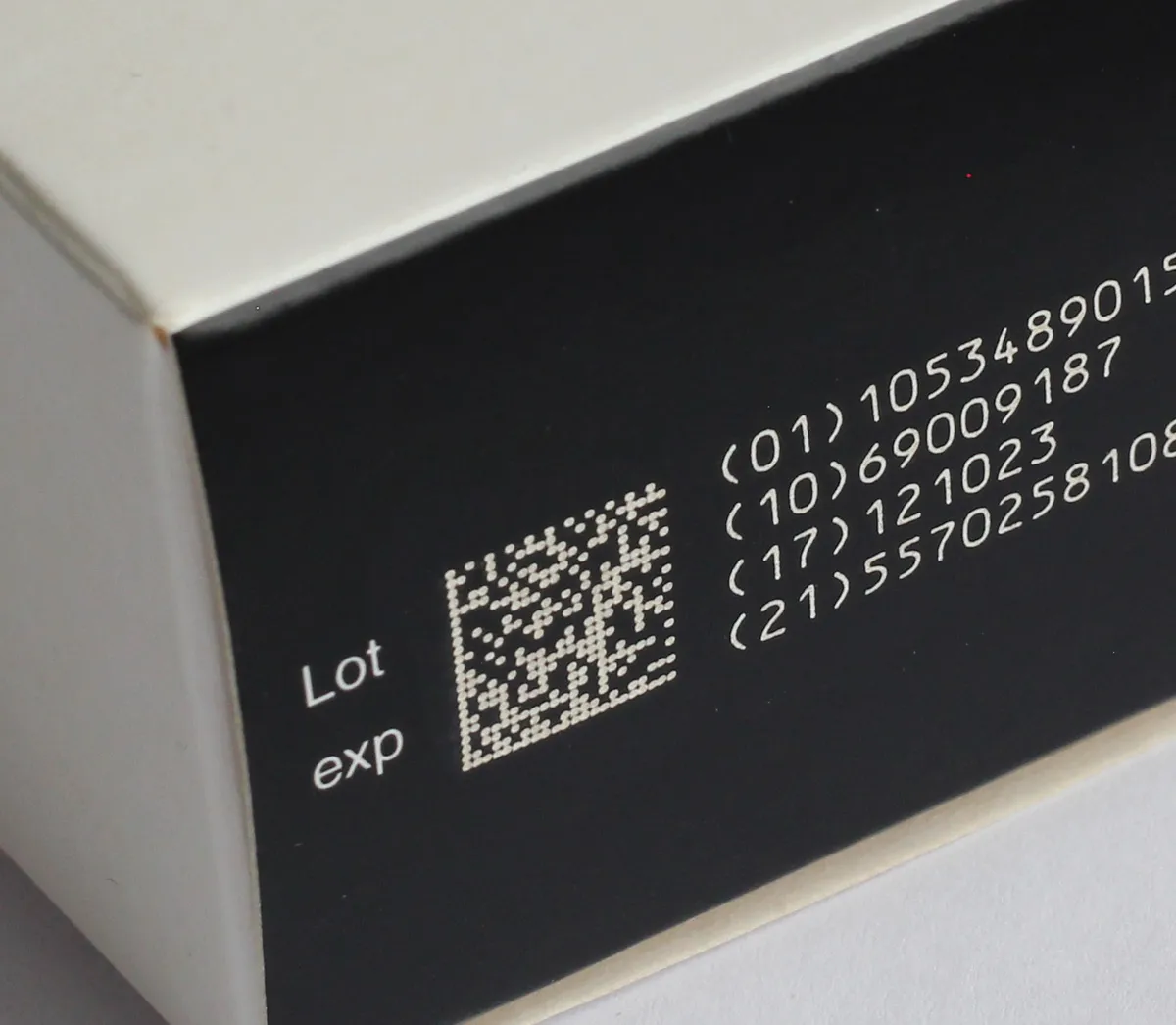
Laser coding is a non-contact way to put permanent identification onto a product or its packaging without applying ink. A laser changes or removes a small part of the surface to form the mark, so the result depends on the material as well as the laser selected. Laser coding and laser marking are often used as names for the same process. Production-line laser marking systems can print dates, batch and lot codes, serial numbers, 1D and 2D barcodes, and logos. The code can be used for traceability, product information or brand identification, provided it remains legible on the finished item.
What’s the difference between CO2, fibre and UV lasers?
CO2, fibre and UV lasers suit different materials and marking requirements. CO2 laser coding is generally effective on non-metals such as glass, plastic, flexible film, labels, paperboard and wood. A fibre laser can mark complex codes on metal and plastic, while UV laser marking can produce high-contrast codes, including on heat-sensitive plastics. The choice starts with the substrate, its finish and the code you need to read, then considers how the item moves through the line. [LETO TO CONFIRM: most common mistake LETO sees when manufacturers choose a laser, and how to avoid it.] A test mark on the real product can settle an uncertain choice.
What materials can a laser coder mark?
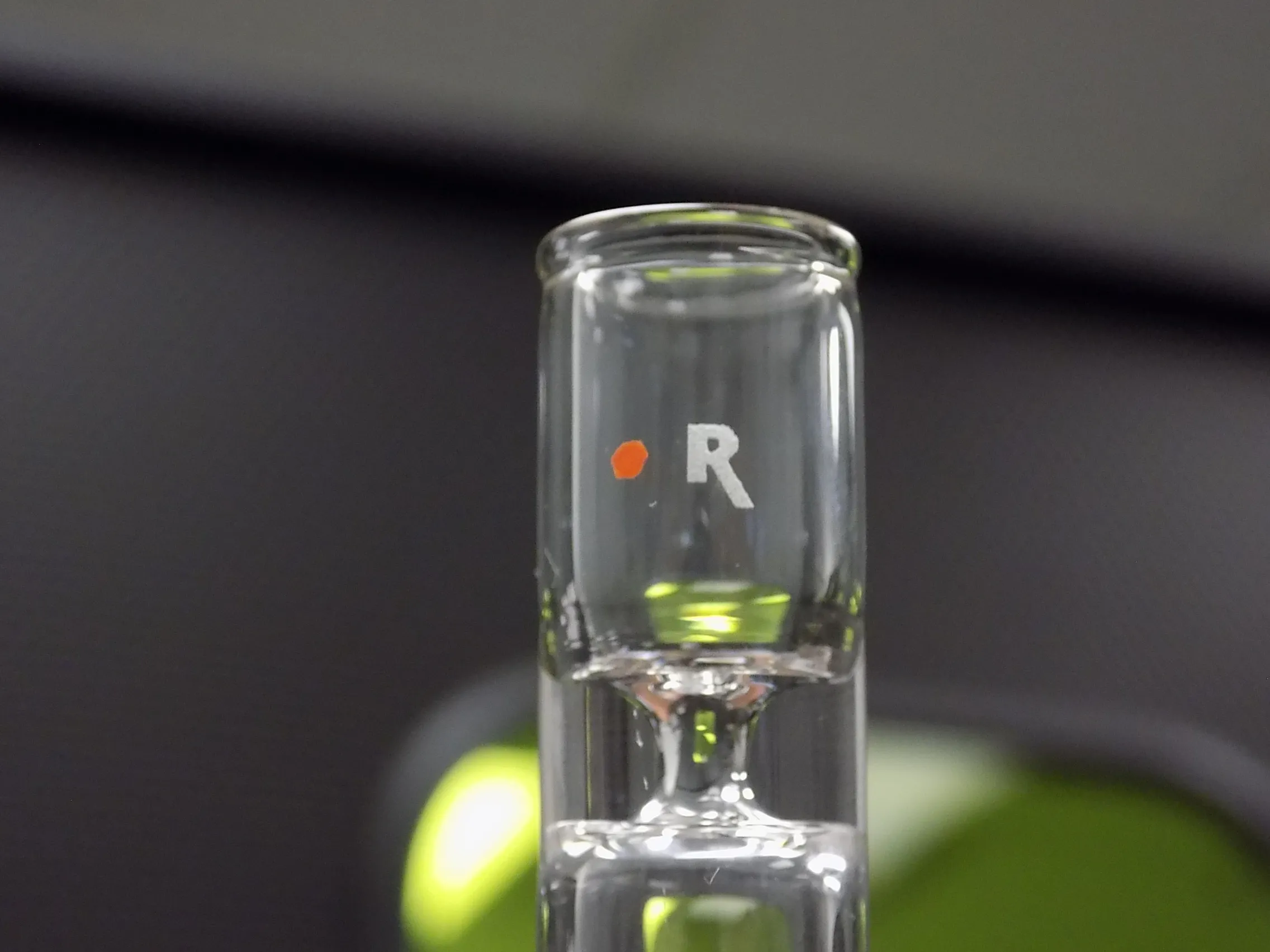
A laser coder can mark glass, plastic, metal, flexible packaging, paperboard and wood, but the appropriate laser type changes with the material. CO2 is often used on non-metals, while fibre is an option for metal and plastic. On PET bottles, CO2 marking creates a frosted code; the wavelength must suit the bottle’s thickness. LETO has application information for PET bottles, glass and metal parts. [LETO TO CONFIRM: a typical Australian laser coding application LETO supports, including industry and product type.] The finished pack, rather than a generic material name, should guide the final test.
Which Videojet laser is right for my production line?
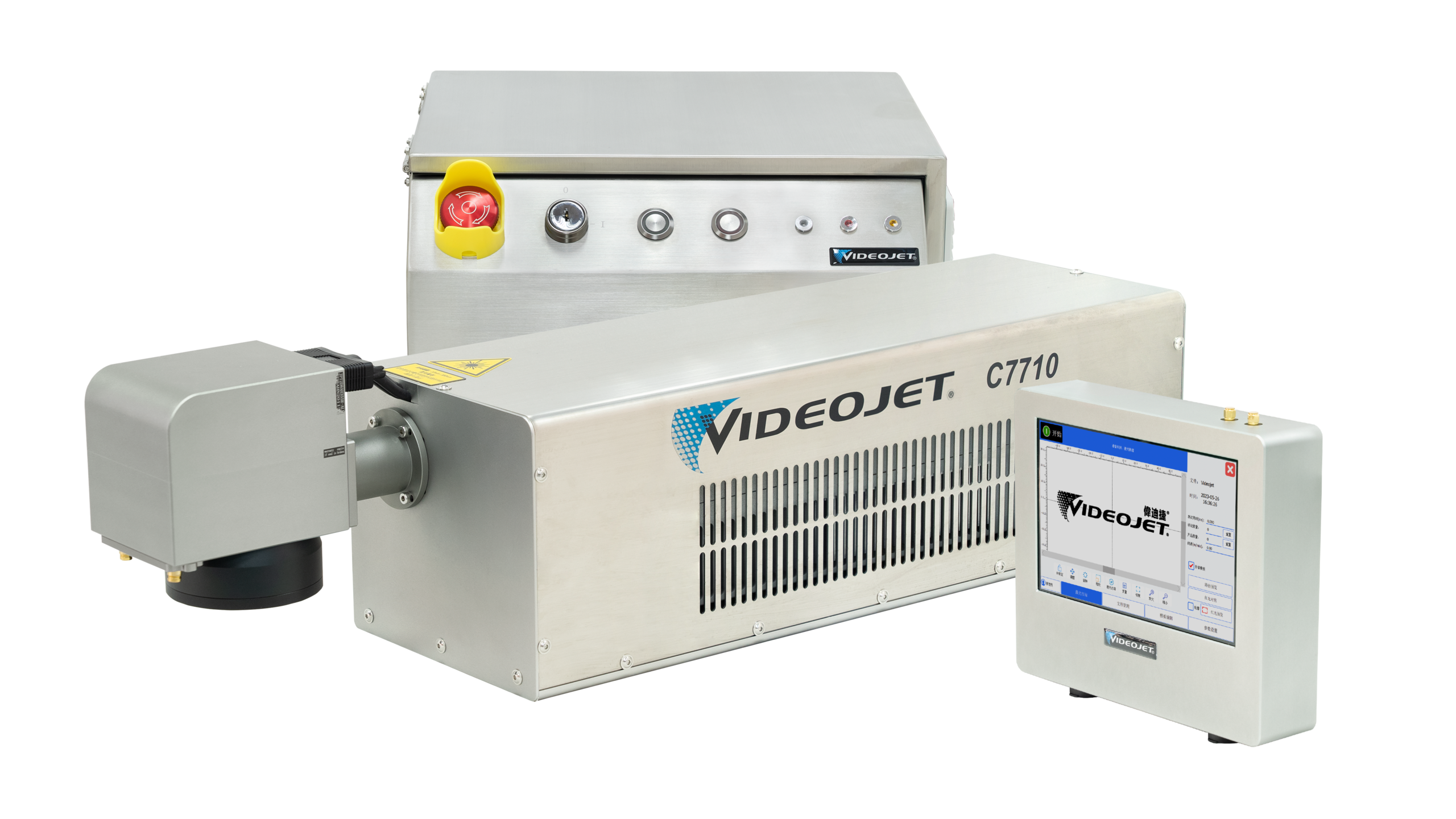
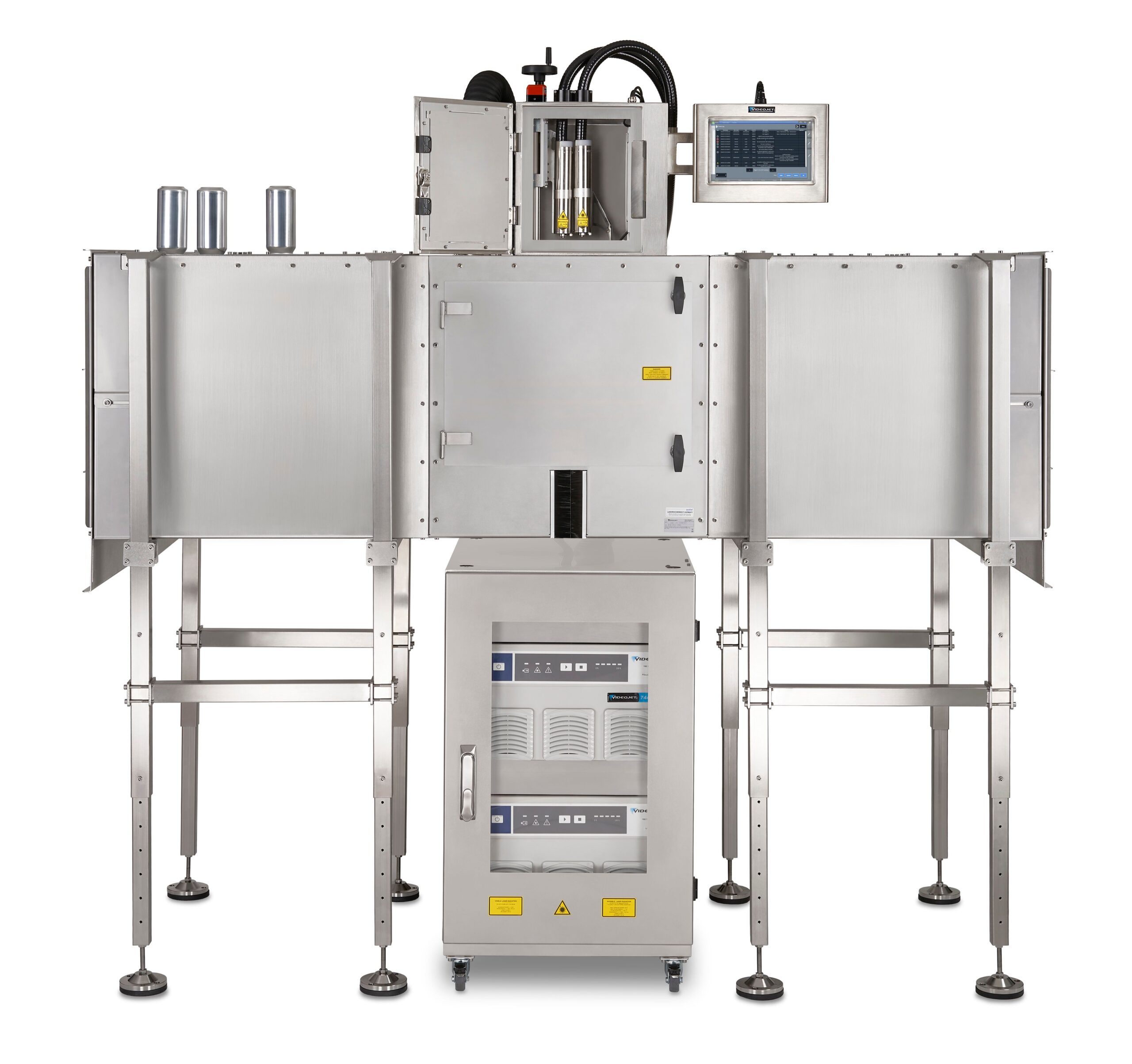
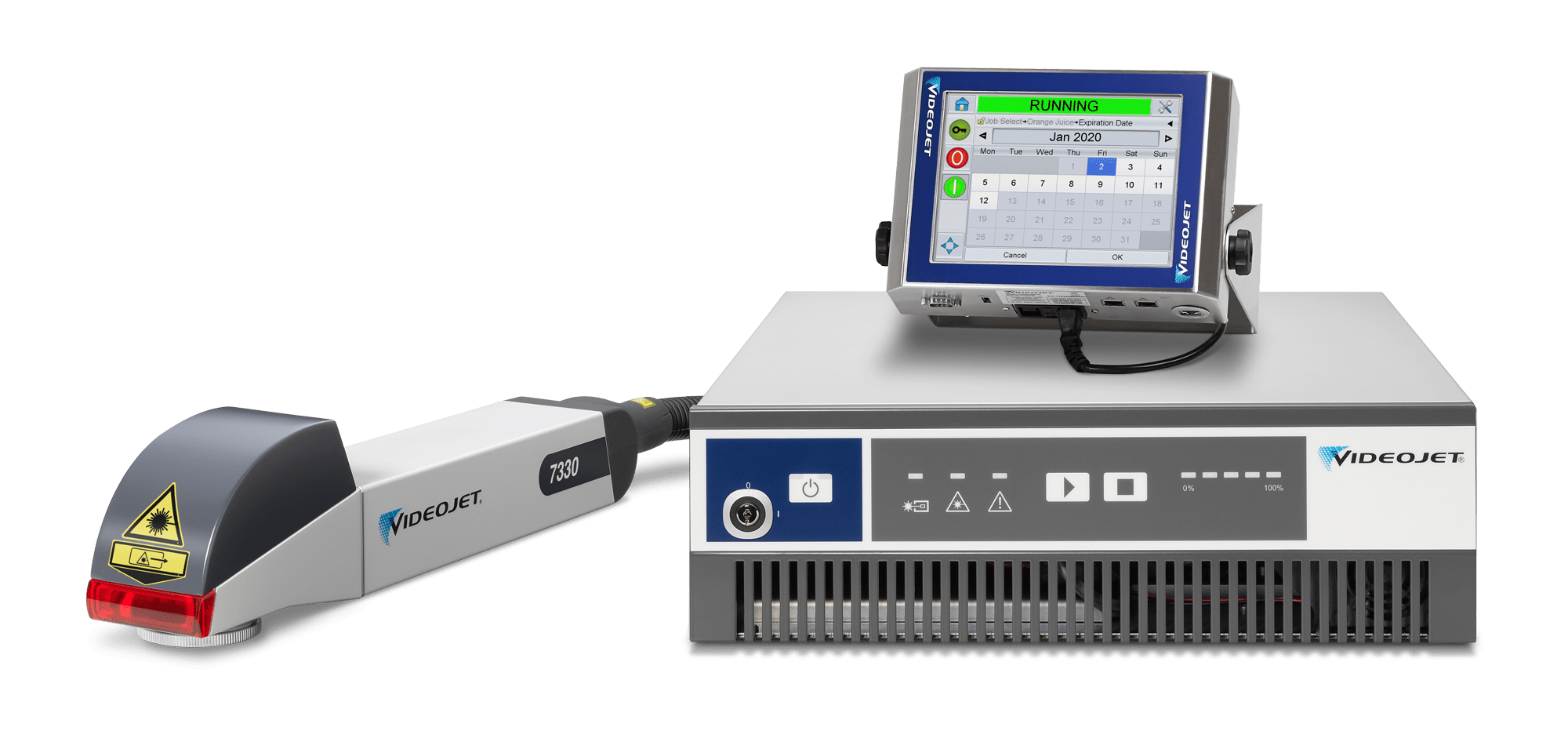
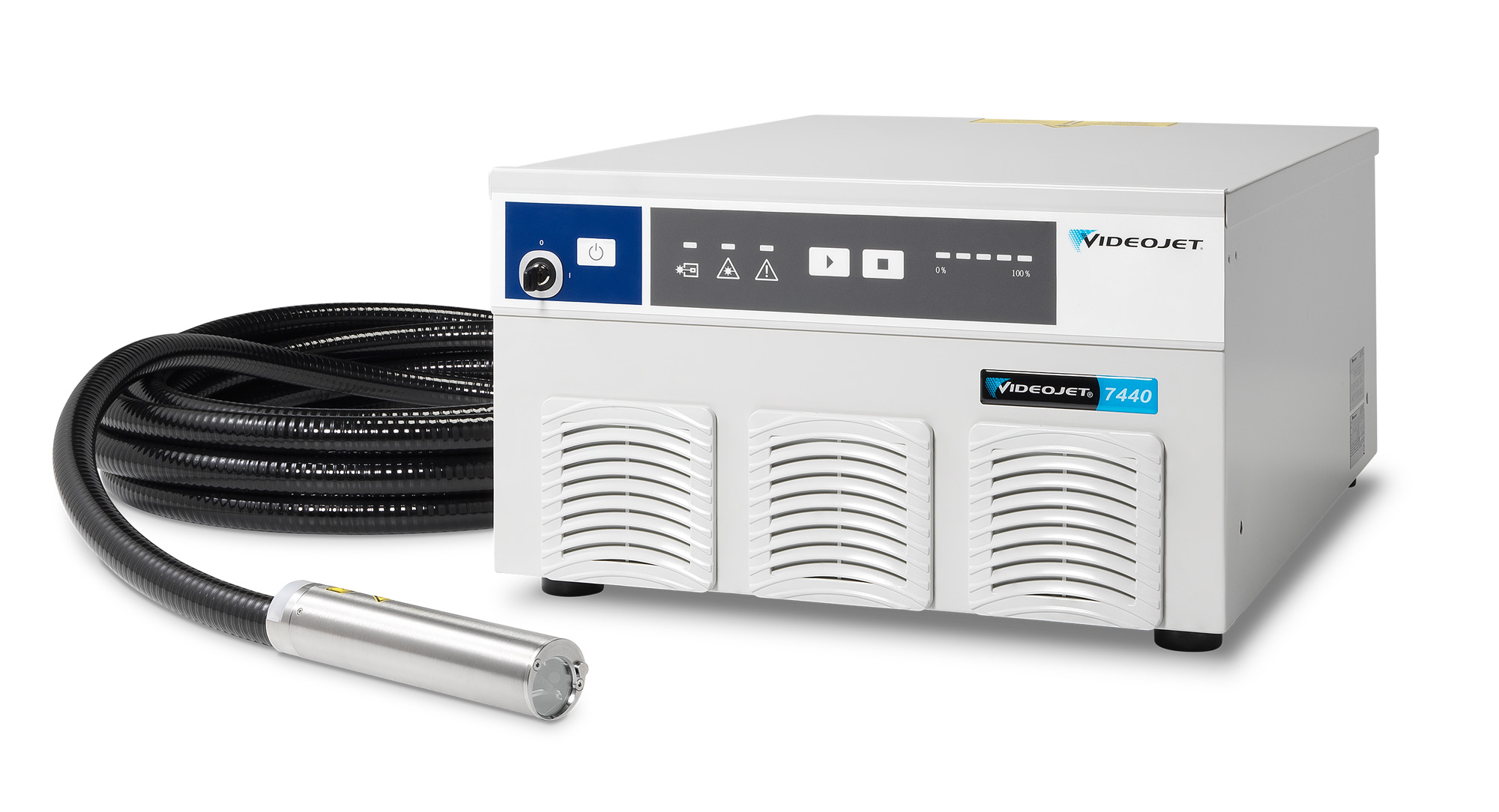
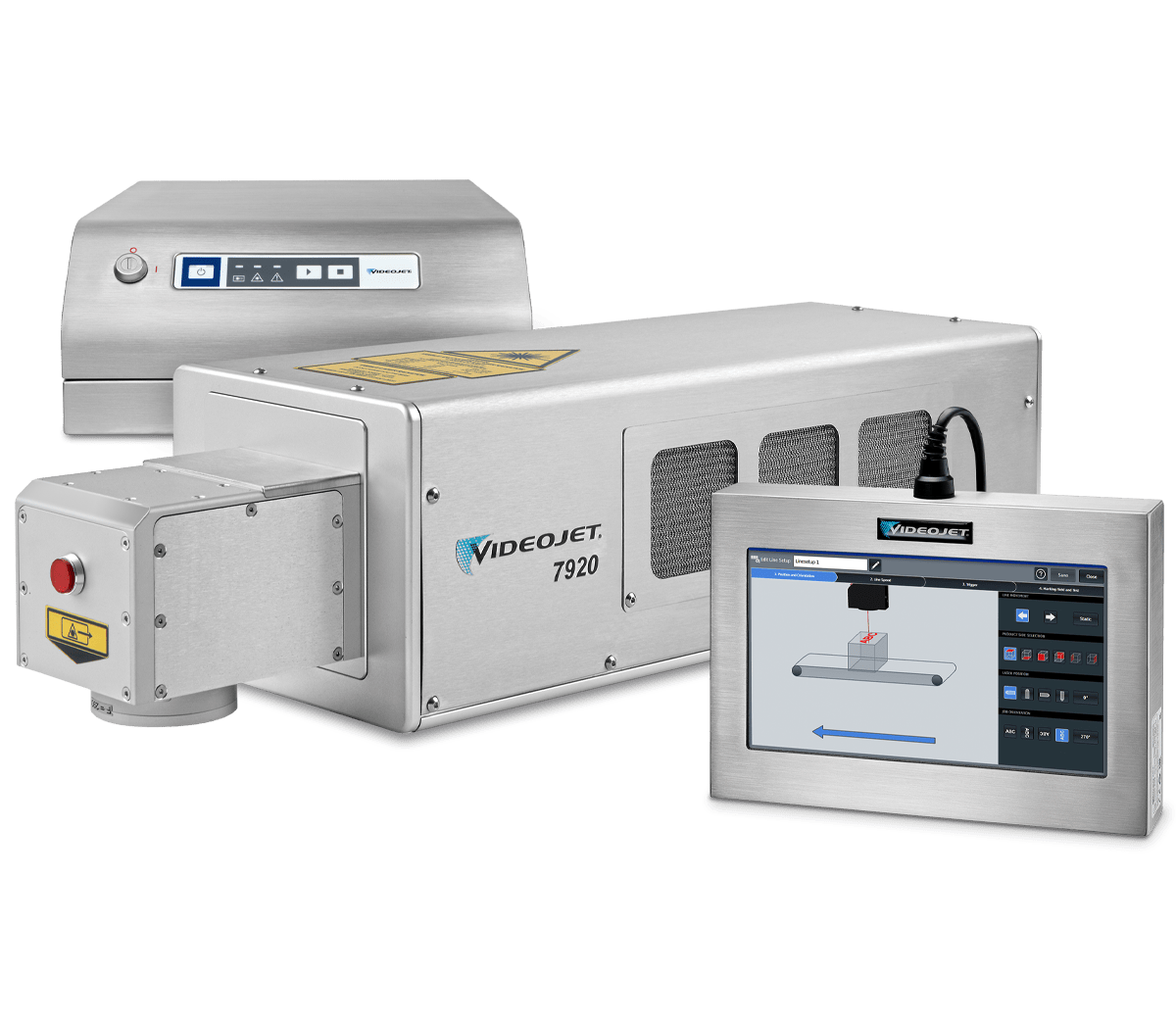
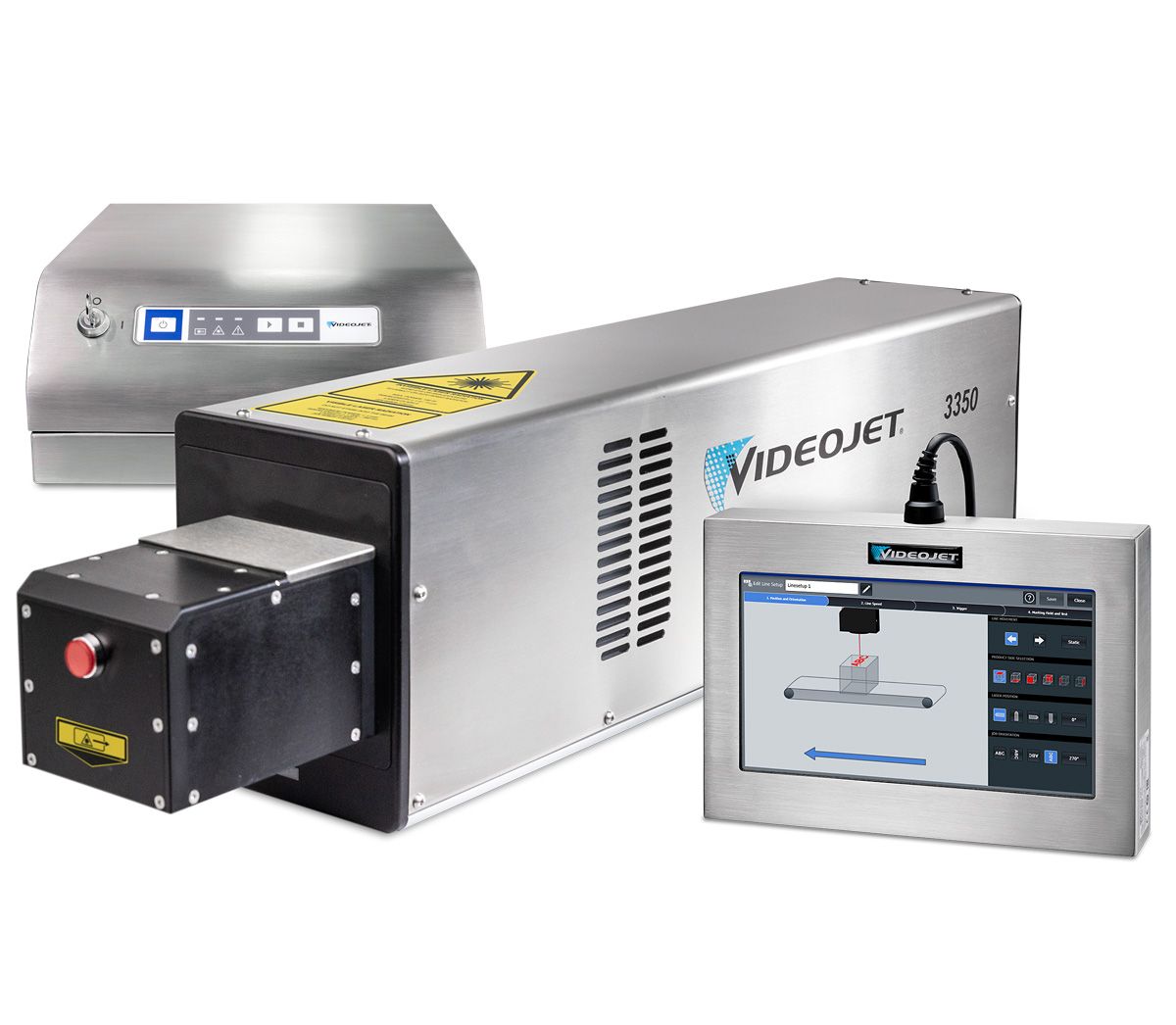
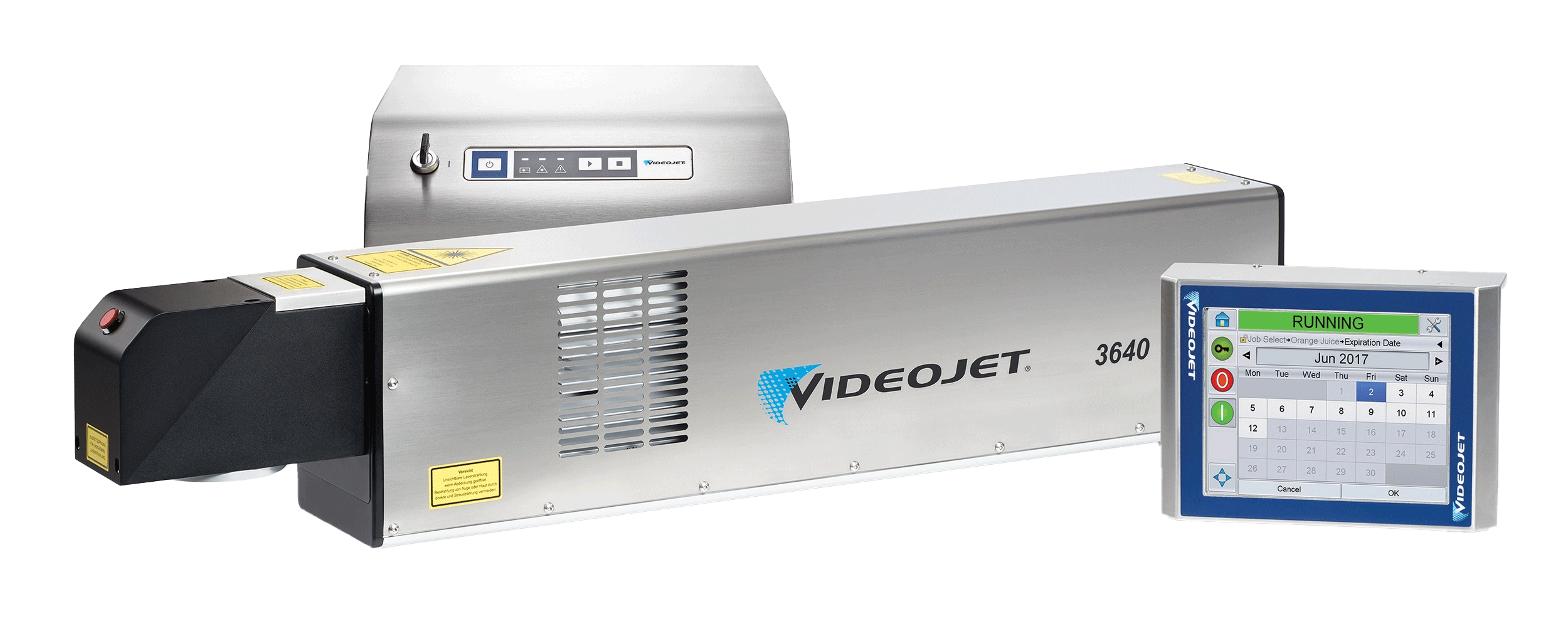
The right Videojet laser depends on the substrate, line speed, code complexity and space available for the marking head. LETO lists these options:
LETO should assess a product sample and the line layout before recommending a laser coding machine.
How much does a laser coding system cost?
A laser coding system price depends on the laser type, power and the work needed to fit it to your line, so LETO must quote against an actual application. Lenses, beam turning units, fume extraction and the chosen service package can affect the overall investment. Laser coding uses fewer consumables than ink-based coding, but running cost still matters alongside the purchase price. LETO offers an equipment lease option for businesses considering a laser coder lease. For a useful comparison, provide your pack material, code example, production pattern and installation details through LETO’s contact page.
Should I choose laser, CIJ, thermal inkjet or TTO?
Laser coding suits a permanent, ink-free code when the material produces a clear mark; ink-based methods may fit other packs or line arrangements better. Continuous inkjet handles changing codes on moving products, including curved surfaces. Thermal inkjet is an option when fine print detail matters, while thermal transfer overprinting is designed for flexible film and labels. LETO supplies all four technologies, so it can compare the same product and code across them. The substrate, required readability and total running cost are better selection criteria than a preference for one technology in isolation.
Can a laser code flexible packaging?
A laser can code some flexible films and labels, but the film structure must be tested before choosing CO2 or UV laser marking. CO2 lasers work on many non-metal packaging materials; UV can produce high-contrast codes without using a ribbon. The way a multilayer film responds to marking can differ from a simple label, so the pack used on the line matters. LETO’s flexible film, foil and labels application page outlines the packaging context. Its comparison of TTO and UV laser for flexible packaging also explains why thermal transfer may remain a practical alternative.
Can a laser code aluminium cans?
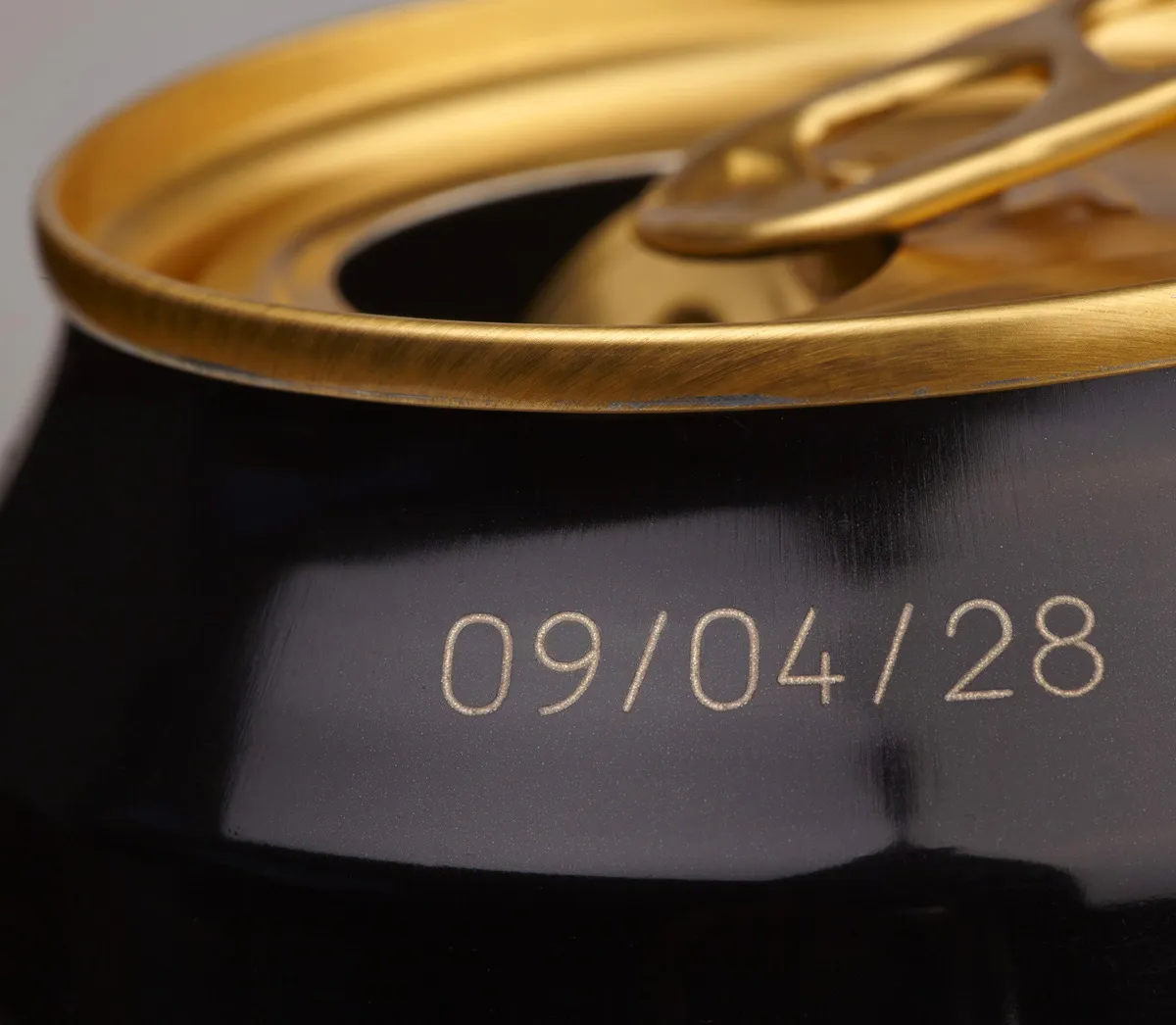
A laser can code aluminium cans, and the Videojet Lightfoot™ Canning Solution is intended for precise marking on fast canning lines. It applies an ink-free, permanent mark, which may suit Australian beverage producers and breweries looking at their coding options. The can finish, code position, line layout and readability requirements still need to be checked against the real product. LETO lists the metal and aluminium cans application and can assess whether this approach suits the packaging and code. Ask for a marked sample before assuming the same result will apply across different can finishes.
Can laser coding help with traceability, anti-counterfeiting and GS1 2D codes?
Laser coding can produce permanent serial numbers and scannable 2D codes that support traceability through a product’s life. Unique marks can help identify individual items, while lasting logos and codes can contribute to anti-counterfeiting measures. The Videojet C7710A is positioned for high-contrast track-and-trace codes; the key practical test is whether the finished code scans reliably. LETO’s track and trace solutions cover the wider identification task, and its GS1 Sunrise 2027 guide discusses 2D code quality. [LETO TO CONFIRM: verified GS1 Australia Sunrise 2027 URL before adding an external link.]
Does a laser coder need fume extraction?
A laser coder may need fume extraction because changing the material surface can release fumes and particles during marking. Extraction helps keep residue away from laser optics, the product and the surrounding work area. The appropriate setup depends on what is being marked and how the laser is integrated into the production line. LETO supplies laser fume extraction systems and replacement filters. [LETO TO CONFIRM: what LETO handles during laser installation, including extraction setup and any guarding or operator training.] Discuss extraction while planning the installation, rather than treating it as an accessory to decide on later.
Can LETO test my product before I buy a laser?
LETO can arrange laser sample marking on your own product or packaging before you commit to a system. A marked sample allows you to check contrast, permanence and readability on the material you actually sell. It also helps compare CO2, fibre or UV options and the laser power needed for the proposed code. LETO’s Sample Lab describes the sample testing process. [LETO TO CONFIRM: how laser samples are submitted, the typical turnaround and whether marked samples are returned.] Include variations in colour, coating or pack construction when those differences occur on the line.
Who supplies and services Videojet laser coders in Queensland and across Australia?
LETO Technology Pty Ltd is an official Videojet distributor partner based in Wacol, Brisbane, with service and support across Australia. LETO supplies laser coders and offers training and preventive service options; the Videojet 7920 also carries a five-year laser source warranty. [LETO TO CONFIRM: laser installation and integration tasks LETO handles.] [LETO TO CONFIRM: whether 24/7 customer support includes technical or on-site service.] [LETO TO CONFIRM: typical Brisbane and South East Queensland service response time.] [LETO TO CONFIRM: number of Videojet lasers installed or serviced in Australia.] Review LETO’s service packages and Videojet warranties, or call 1300 02 02 04.