Corrugated Box Coding and Labelling – Frequently Asked Questions
How do I choose a coding solution for corrugated cardboard boxes?
Choose a corrugated box coding solution by working backwards from the finished case. Identify what must be printed, who needs to read or scan it and where the information must appear. Then assess the board surface, available panel and how the box travels through production. LETO’s corrugate range includes direct inkjet printing, print-and-apply labelling and laser marking on suitable materials. A readable batch reference and a detailed logistics label are different requirements. Compare candidate methods against the same box and message before deciding on equipment.
What information should we include on our outer cases?
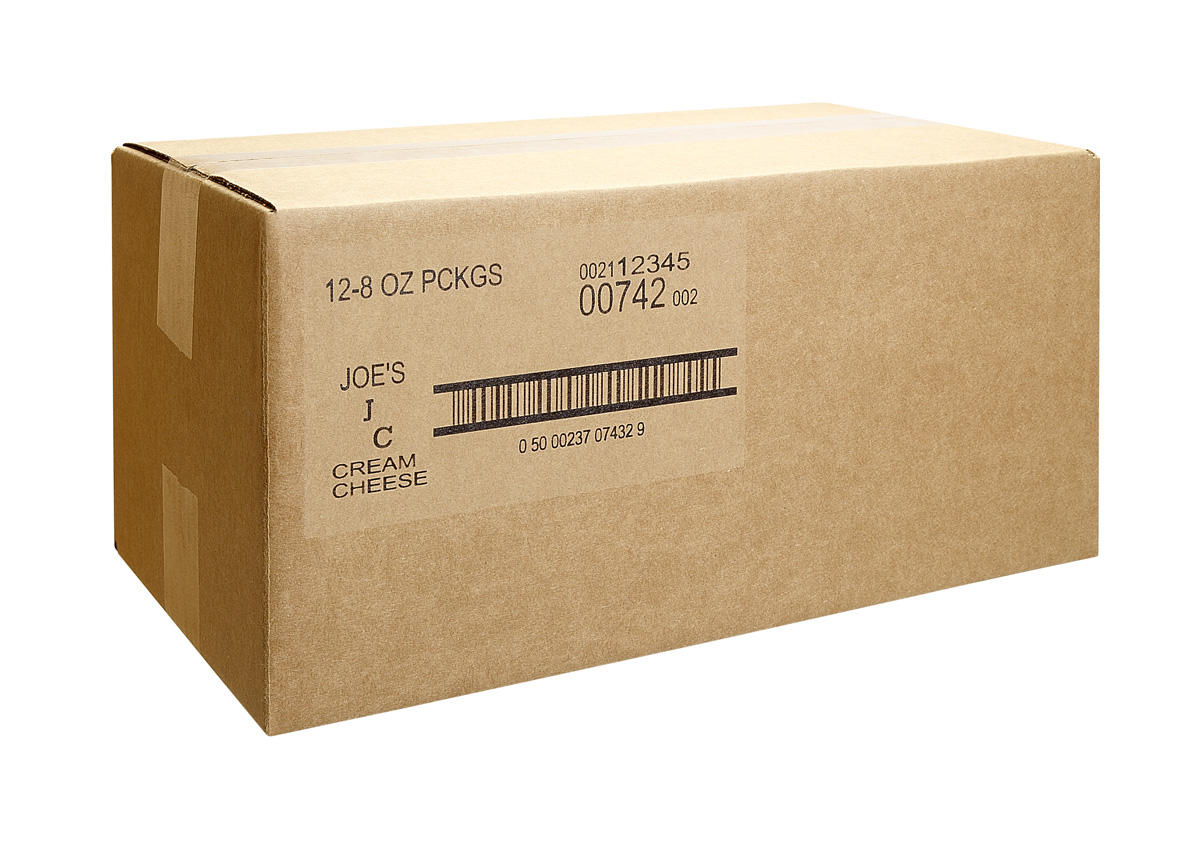
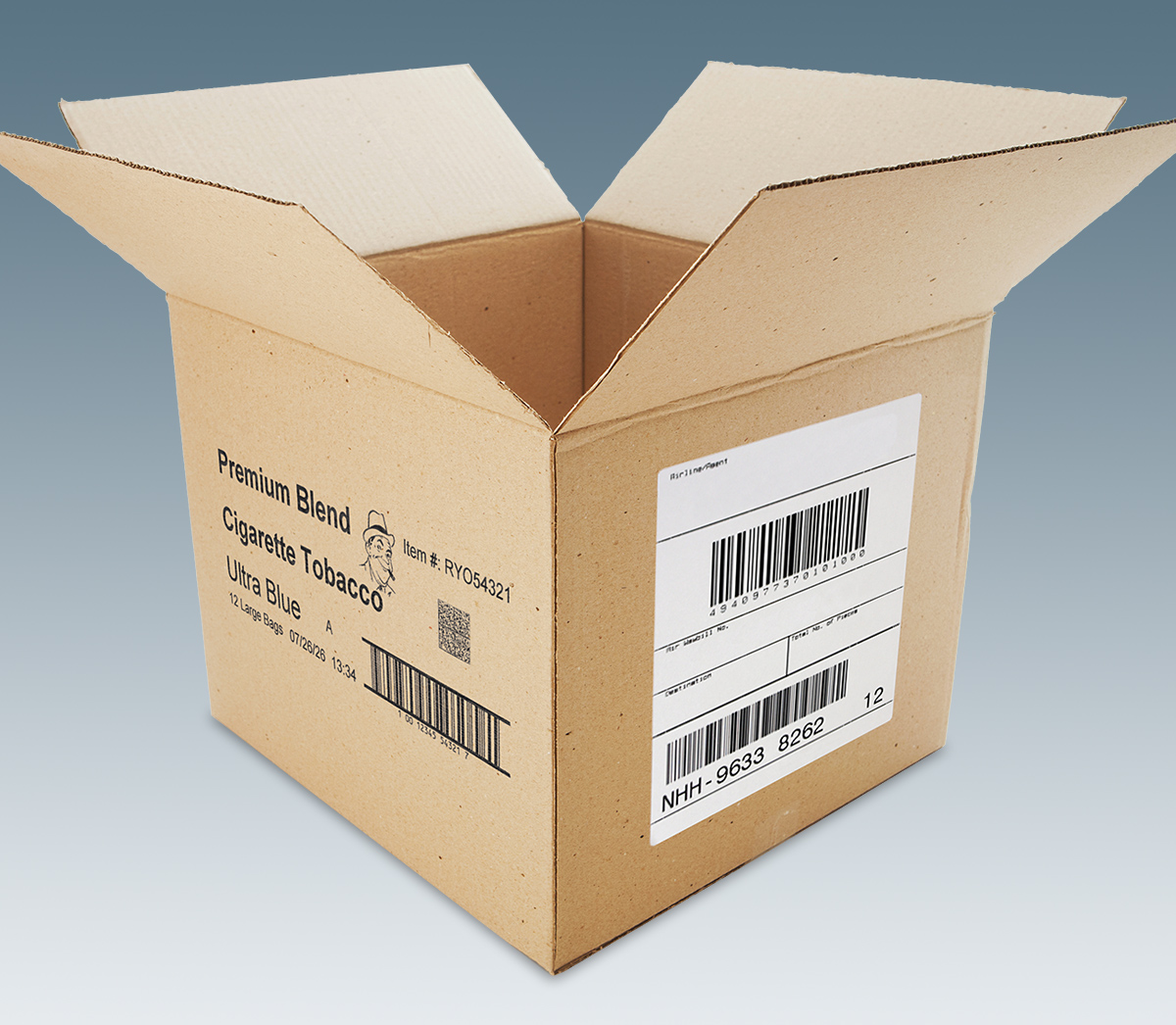
Outer-case information should help the next person identify, store and handle the contents correctly. Depending on your product and customer requirements, that may include a product reference, batch, date, storage instructions or barcode. Separate information that belongs on every box from details that change with each run or order. Ask receiving customers for their case identification specifications before designing the layout. Keep the finished message readable without crowding the panel, and check whether any information needs to remain visible when cases are stacked.
When is basic text coding enough for a cardboard box?
Basic text coding may be sufficient when the outer box only needs a short, human-readable identifier such as a batch or date. LETO lists the Unicorn and Unicorn II for one- or two-line alphanumeric case marking. Before choosing a simple coder, confirm that your customers do not also require a barcode, detailed graphic or larger information panel. Think about foreseeable changes as well as today’s message. The Unicorn and Unicorn II product page provides a starting point for discussing straightforward text requirements.
When should we use a high-resolution carton printer?
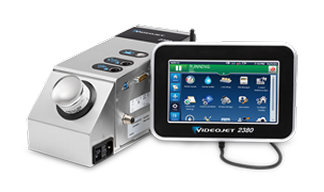
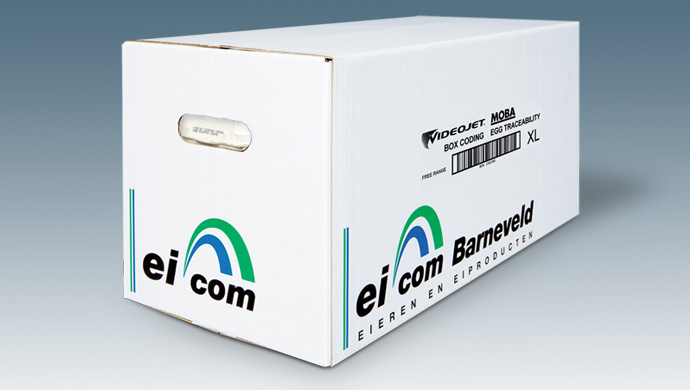
A high-resolution carton printer is worth considering when a corrugated case needs detailed text, a barcode or a logo printed directly onto the board. LETO’s Videojet 2380 is listed for these applications. First prepare the complete layout, including clear space around any barcode, rather than assessing individual characters in isolation. Check that the print area fits an unobstructed panel and that the carton surface gives a suitable result. Reviewing an actual printed sample helps establish whether direct printing meets the intended use.
When does a cardboard box need a printed label instead of direct marking?
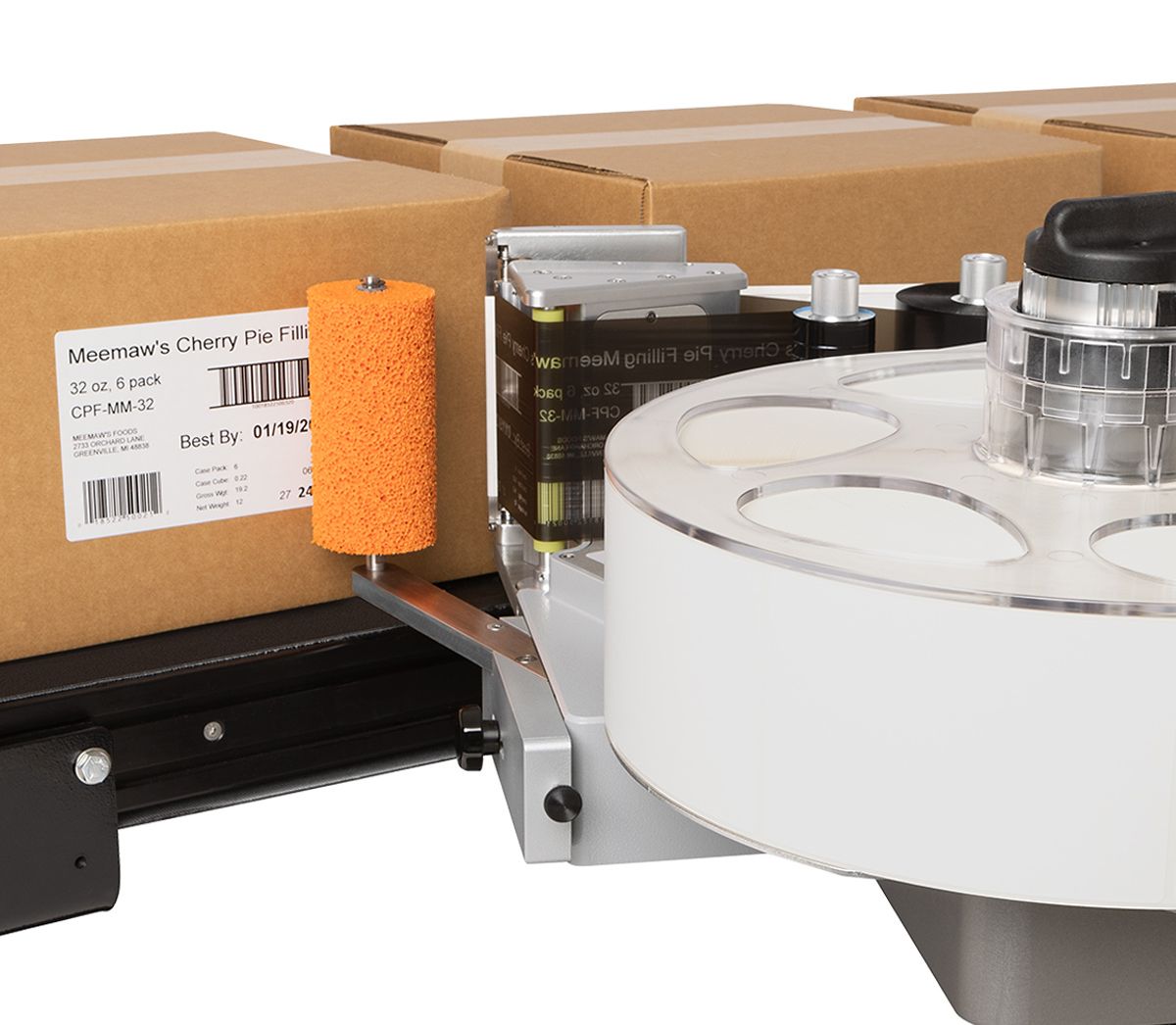
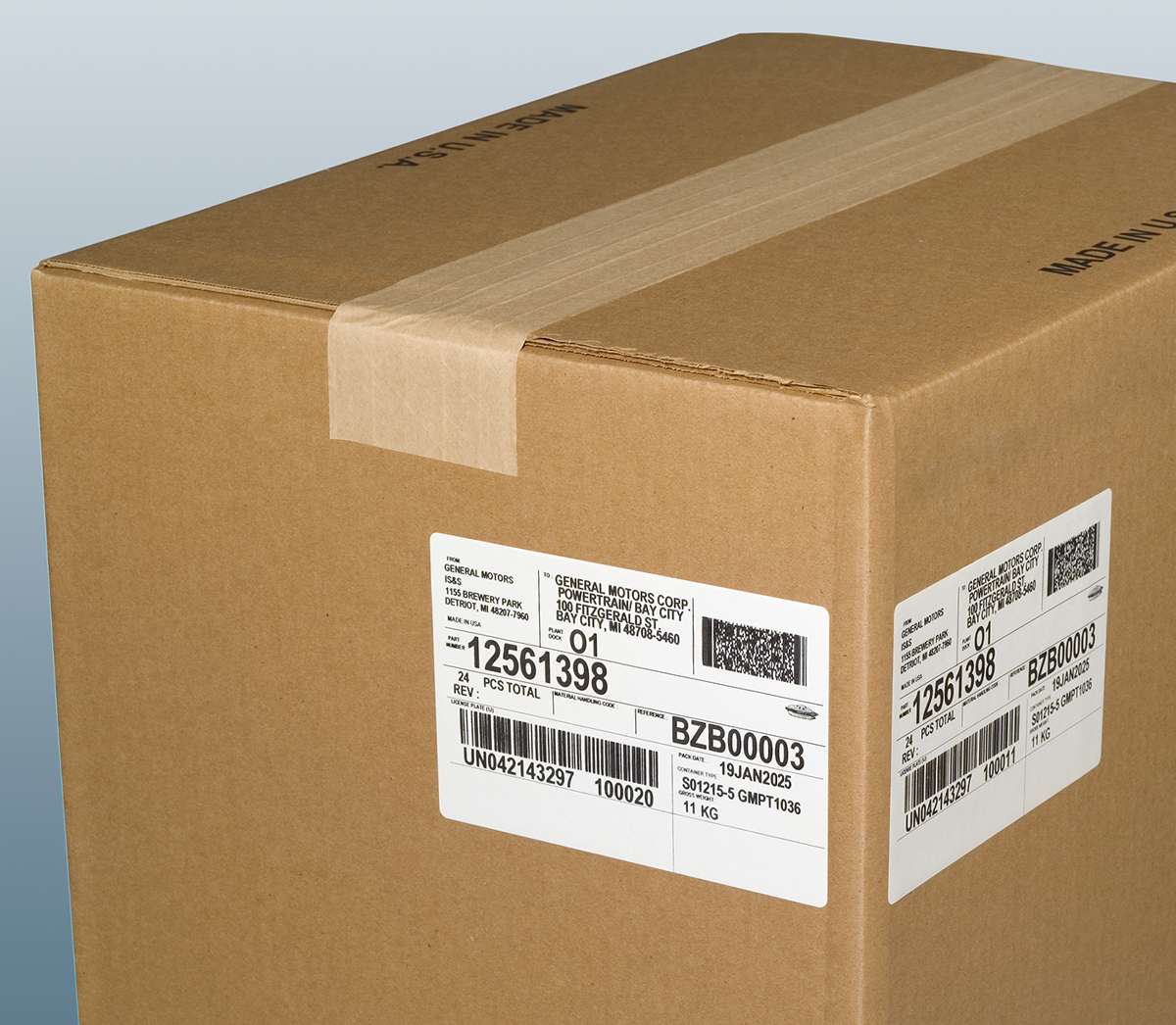
A printed label is worth assessing when the receiving customer specifies one or when the carton panel is unsuitable for the required identification. Existing artwork, surface finish and available space can influence that choice. LETO lists the Videojet 9560 for printing and applying labels to cases and boxes. Compare a labelled sample with direct marking using the same information. Include adhesive performance, label position and later handling in the assessment. The aim is an identification method that remains useful throughout the box’s journey.
Can laser marking be used on corrugated packaging?
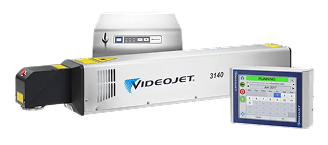
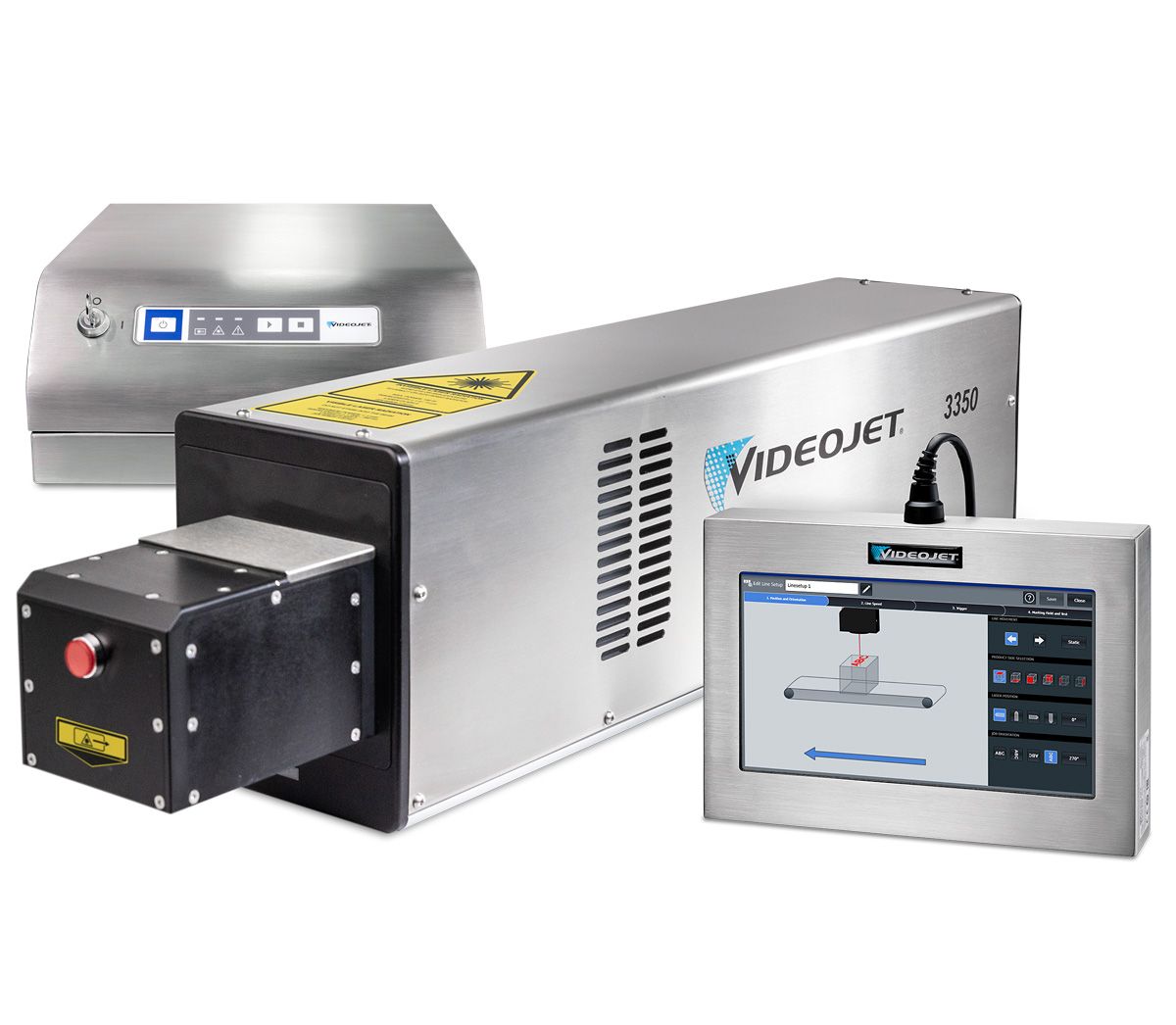
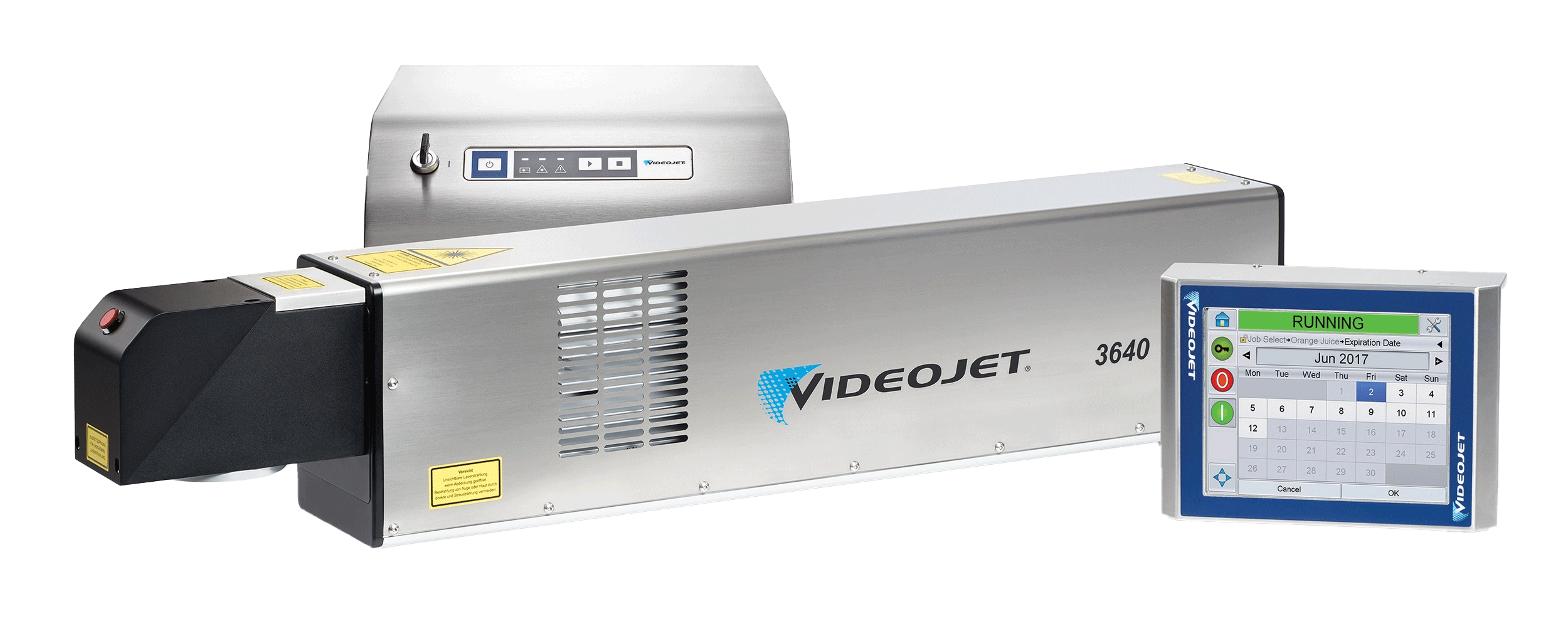
Laser marking can be used on suitable laser-receptive cardboard packaging, but the board and artwork must be tested. LETO’s corrugate page lists CO₂ laser options alongside inkjet and labelling systems. Do not assume every brown or white box will produce the same contrast or finish. Assess the marked panel for readability and any unwanted effect on the packaging. A laser installation also needs its guarding and extraction requirements scoped. Explore LETO’s laser marking range when discussing whether your particular carton is a suitable candidate.
Will the same coding setup work on brown, white and coated board?
Different corrugated board finishes should be assessed separately before they share a coding setup. Brown kraft, white liners, printed panels and coatings may produce different contrast, ink behaviour or label adhesion. Include the actual variants you buy, rather than sending only the easiest surface to mark. If you change carton suppliers, retain a representative sample from each source for comparison. LETO’s case coding inks information is useful for ink selection, but a material description alone does not establish how the finished box will perform.
Where should a code or label go on a corrugated box?
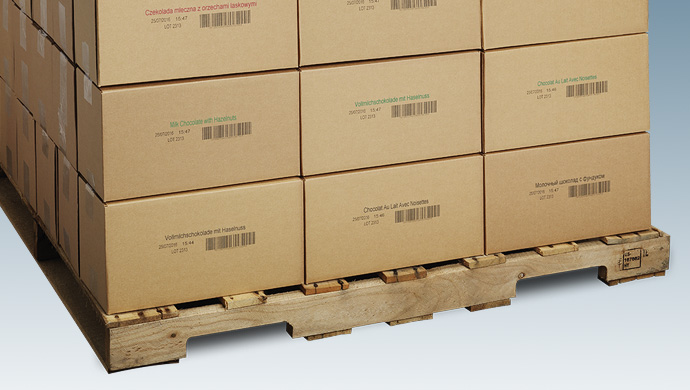
Place a corrugated box code or label on a panel that remains accessible and readable during the intended handling process. Check your customer’s placement requirements first. Avoid locating important information across a fold, taped seam, flap edge or area likely to be covered by another label. Leave sufficient clear space for the full message and any barcode. Assess the erected, filled box, not just the flat blank. Also check its position on the conveyor and in a stacked load so the chosen panel can be marked and inspected consistently.
What should we check before accepting a carton barcode?
Acceptance checks for a carton barcode should cover the encoded information, symbol format, dimensions, print quality and position on the finished box. Use the customer’s specification to define the checks. Try the code under representative handling conditions, including after packing if the panel can distort. A successful scan shows that a particular reader captured the code; it does not by itself establish a specified quality grade. Include barcode verification when required, and repeat the assessment after meaningful changes to the board, message layout or coding process.
How can we manage several carton sizes on the same packing line?
Managing several carton sizes starts with understanding how each box presents its coding panel to the equipment. Record the smallest and largest sizes, changes in panel height and any variation in position as boxes travel. Determine which adjustments are needed between products and whether a different message layout is required. Plan a changeover check covering both the selected job and its physical placement. If several printers share product data, LETO’s CLARiSUITE software can be discussed separately from the mechanical adjustments needed to handle different cases.
What should we send LETO for a corrugated packaging assessment?
For a corrugated packaging assessment, send representative finished boxes, the proposed message and an explanation of how the cases are packed and handled. Include board finishes, box dimensions, normal and peak line rates, and customer specifications. Photographs or a short video can show the available installation space and how consistently boxes travel. Ask which sample tests and line checks are appropriate for your project. Use LETO’s Sample Lab to discuss marking trials, and include difficult variants so the assessment reflects the full production requirement.
Who can help Australian manufacturers compare corrugate coding options?
LETO Technology offers corrugate coding options for Australian manufacturers from its base in Wacol, Brisbane. Its application page brings together box printing, labelling and suitable laser marking options. To compare them, outline the receiving requirements, carton range and problems you want to solve, such as difficult identification or frequent manual changes. Include production and quality staff in the discussion so the chosen approach can be checked against daily operation. Contact LETO on 1300 02 02 04 to discuss your cardboard box coding application.