
Thermal Transfer Overprinters
Full line of thermal transfer overprinters for printing variable content on flexible packaging and labels
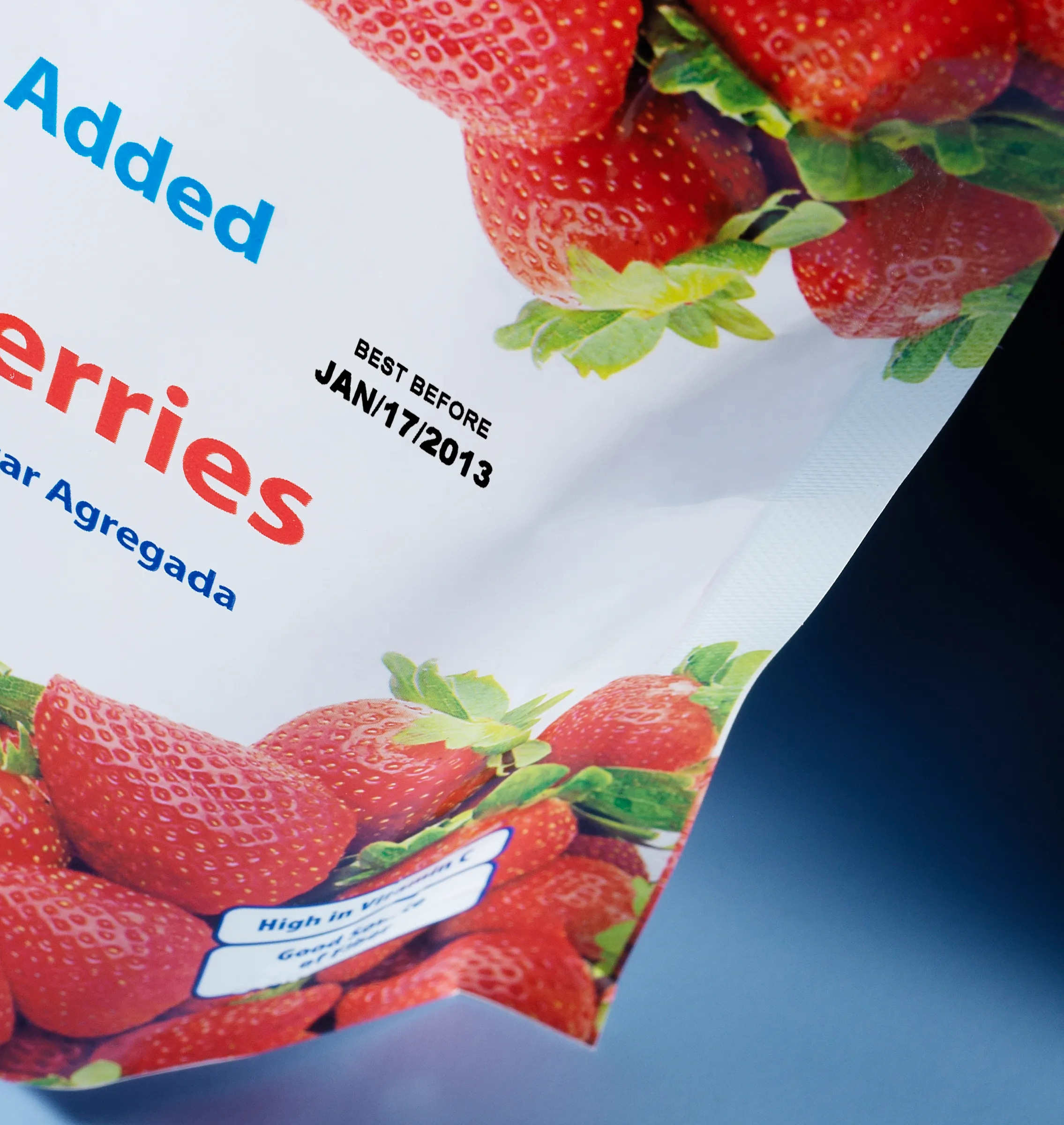
Whether marking simple date and time codes, complex regulatory codes, ingredient lists, or marketing information, Videojet TTO printers help keep your production lines running at peak performance. Print high-resolution images on flexible packaging, film, and labels while minimizing the downtime and costs associated with production changeovers.

What is a Thermal Transfer Overprinter?
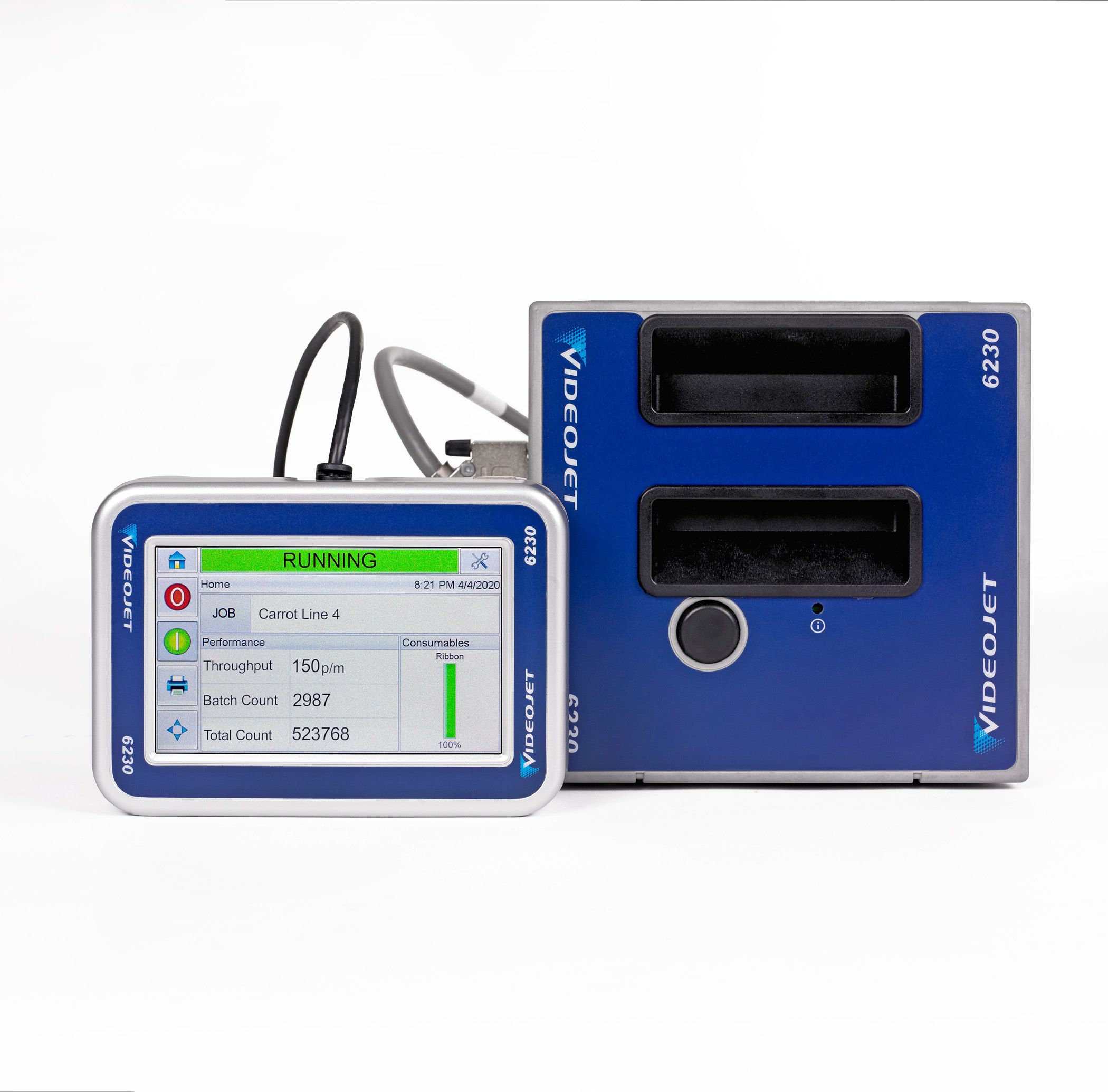
Videojet DataFlex 6230
Cost-effective TTO printer that provides high-quality codes on flexible film at speeds up to 150 packs per minute.
Read More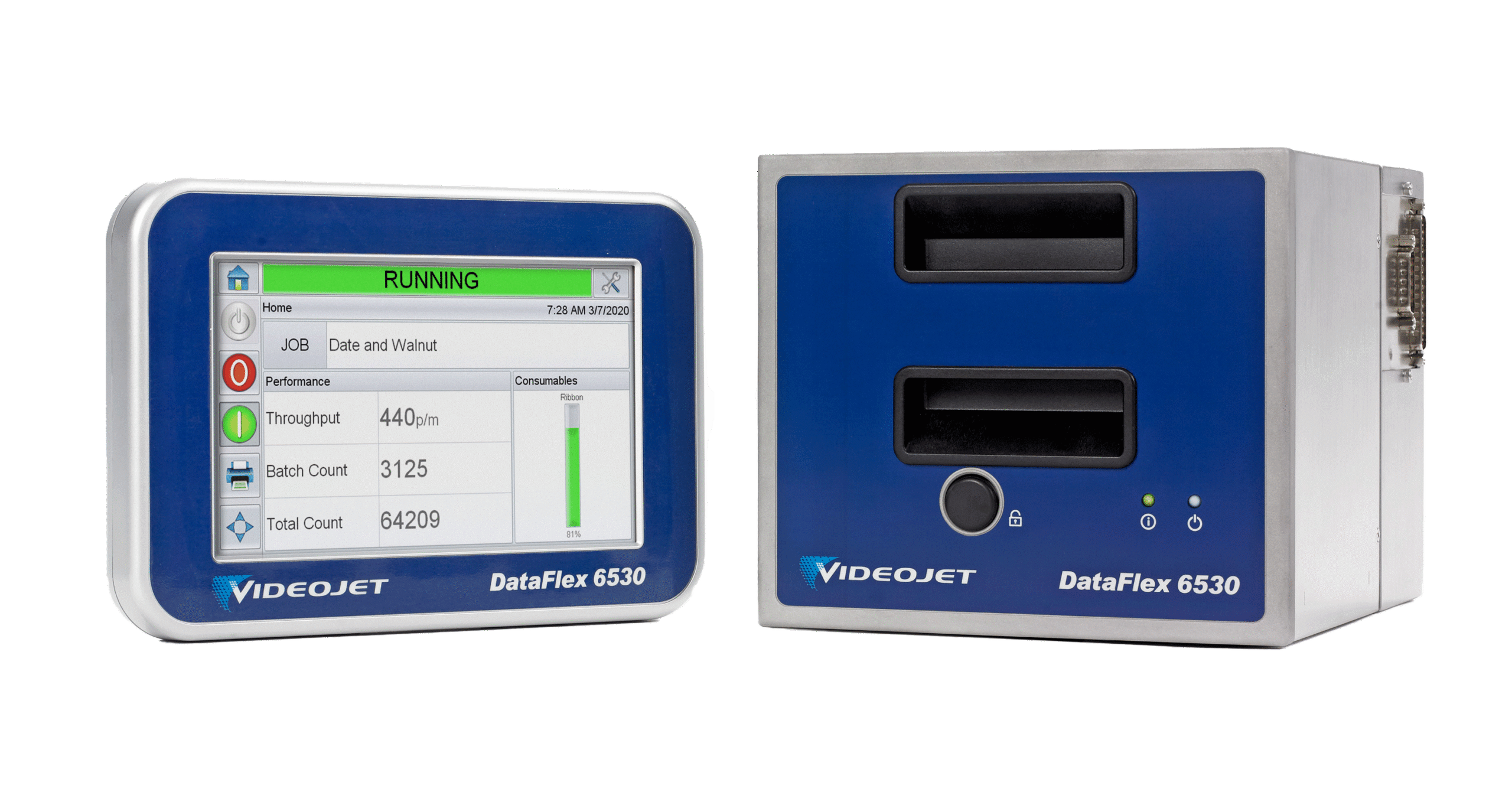
Videojet DataFlex 6530 & 6330
High-throughput TTO printers featuring airless operation and large ribbon capacities. Videojet Intelligent Motion™ technology helps to reduce costs
Read MoreApplications
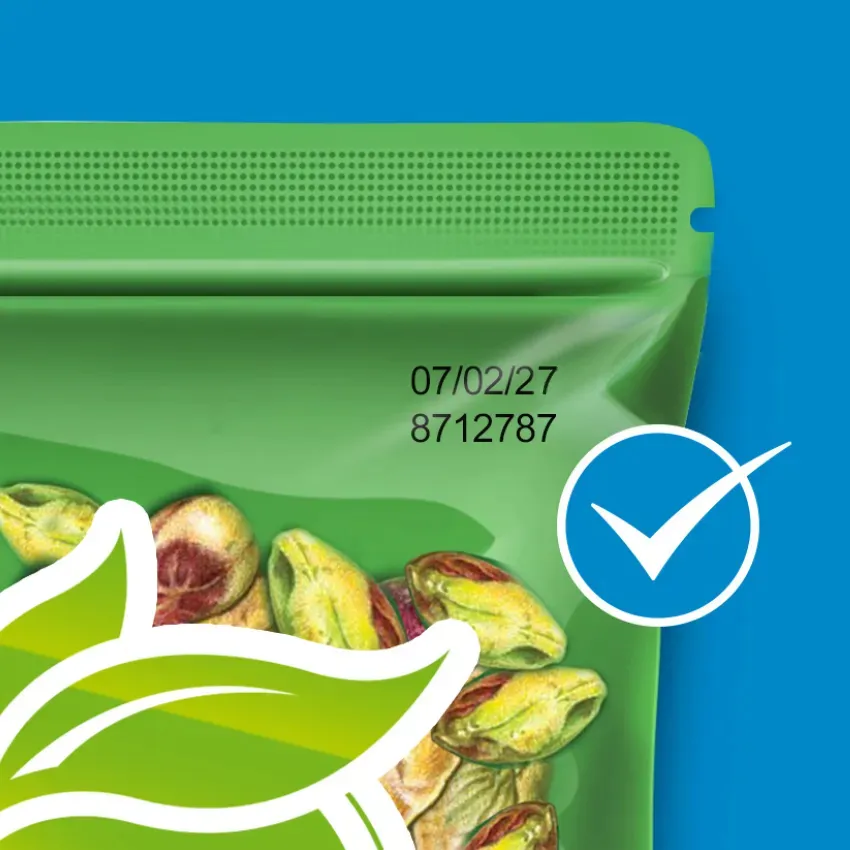
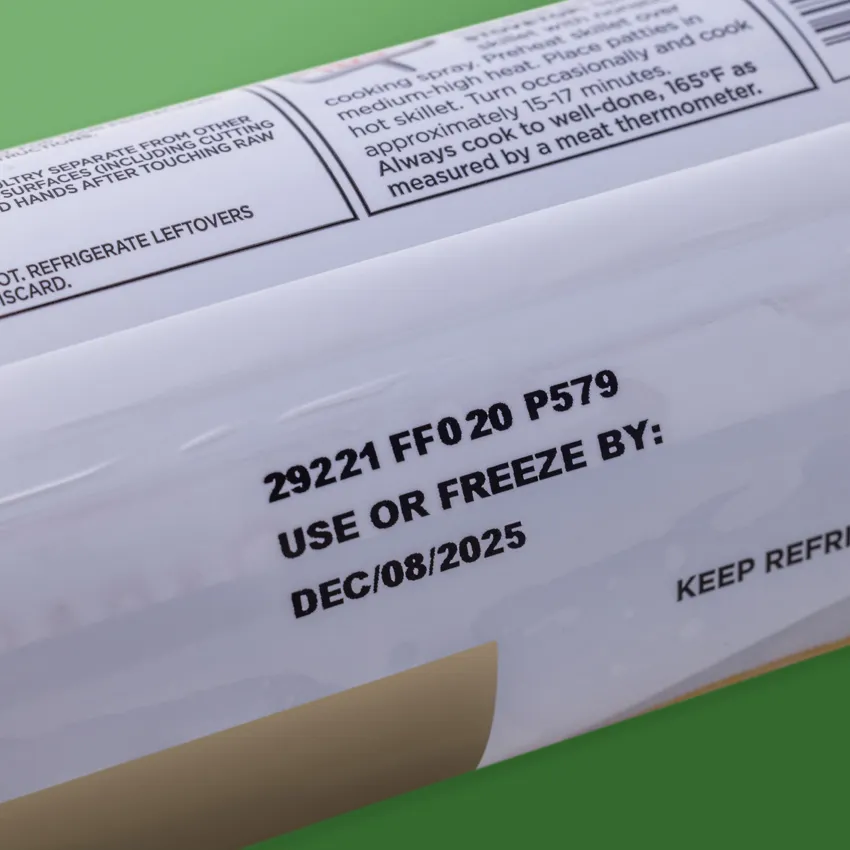
Thermal transfer overprinters are used for high-speed printing on flexible packaging, labels, and tags. They provide durable, high-quality printing of batch codes, expiration dates, barcodes, and logos, making them ideal for the food, pharmaceuticals, and consumer goods industries. TTO’s ability to print on various substrates enhances versatility in packaging operations.
Thermal Transfer Overprinters – Frequently Asked Questions
Reviewed by [Swara Aziz - Director], LETO Technology — September 2026
What is a thermal transfer overprinter (TTO)?
A thermal transfer overprinter is a printer that uses a heated printhead to move ink from a ribbon onto flexible packaging. A TTO printer can put fine text and codes directly onto film, foil, labels and tags as part of a packaging line. It is commonly fitted to equipment such as vertical form fill and seal machines, where the printed information changes between products or production runs. A thermal transfer printer can handle dates, batch numbers and barcodes without requiring those details to be preprinted on every roll of packaging. The film and ribbon still need to be matched for a clear, durable result.
What can a TTO printer print on packaging?
A TTO printer can print dates, times, batch and lot codes, ingredient lists, barcodes, 2D codes, logos and other changing information on packaging. The Videojet DataFlex 6230 supports EAN and UPC barcodes as well as QR codes; the DataFlex 6530 also supports DataMatrix. The 6230 has a real-time clock and can calculate best-before dates, helping operators set up recurring jobs. For Australian food packs, check how FSANZ Food Standards Code Standard 1.2.5 applies to the required use by or best before date. [LETO TO CONFIRM: verified FSANZ date-marking URL before adding an external link.] The printed code must remain readable on the finished pack.
What packaging materials can a TTO print on?
A TTO can print on flexible film, foil, labels and tags when the ribbon suits the material. A film’s coating and finish can change how well a code transfers and survives handling, so testing the actual roll matters more than relying on the material name alone. LETO’s flexible film, foil and labels applications show the range of packaging involved. LETO can also arrange tests through the Sample Lab. [LETO TO CONFIRM: a typical Australian TTO application LETO supports, including industry and pack type.] [LETO TO CONFIRM: how customers submit film or label samples and the typical testing turnaround.]
Which Videojet DataFlex TTO printer is right for my line?
The right Videojet DataFlex TTO printer depends on your packaging machine, code area, print content and required throughput. LETO lists three tiers:
- DataFlex 6230: a lower-speed option with a 32mm, 200 dpi printhead; up to 150 packs a minute for a single-line code in continuous mode, depending on the application and substrate.
- DataFlex 6330: a medium-speed option with 32mm or 53mm print widths; up to 250 prints a minute, depending on the application and substrate.
- DataFlex 6530: a high-speed option with 53mm or 107mm width; up to 700 prints a minute at 53mm in high-throughput mode, depending on the application and substrate.
The 6330 and 6530 product page gives further details. Check the code on the actual film before selecting a model.
What’s the difference between intermittent and continuous TTO printing?
Intermittent TTO printing happens while the packaging material is stopped: the printhead travels across it to put down the code. In continuous TTO printing, the material keeps moving past the printhead during printing. Which mode fits depends on how the packaging machine advances the film, not simply on how many packs it produces. All three Videojet DataFlex models in LETO’s range support both modes, so a printer can be considered for different machine movements. The available print window and the position of the code on the pack still need to be checked during line planning.
Which thermal transfer ribbon should I use?
The right thermal transfer ribbon depends on the film and what the code must withstand after packing. Wax/resin grades suit many general flexible packaging jobs; resin is typically chosen when extra resistance to scratching, heat or chemicals is needed. LETO supplies TTO ribbons in different grades and colours, and the Videojet ribbon selection guide can narrow the options. The DataFlex 6230 takes ribbons up to 700 metres; the 6330 and 6530 offer up to 1,200 metres, with ribbon-saving modes that can reduce changeovers and use. [LETO TO CONFIRM: commonly recommended ribbon grade and whether ribbon stock is held in Australia.] Test the chosen grade on your film.
How much does a TTO printer cost to buy and run?
A TTO printer’s purchase and running cost depends on the model, print width, installation work, ribbon use and service requirements, so LETO needs line details to quote. Longer ribbons and ribbon-saving modes can reduce changes and consumption; the airless DataFlex designs do not need a plant-air supply. Compare the cost per code and expected upkeep alongside the printer price. LETO offers equipment leasing as an alternative to buying outright. To request a quote, send your packaging material, code size, machine type and production pattern through LETO’s contact page.
Should I use TTO, UV laser, thermal inkjet or CIJ on flexible packaging?
TTO is generally a strong fit for detailed, changing text and graphics on flexible film and labels. UV laser can create a lasting mark without ribbons if the film gives a readable result; laser coding systems should therefore be tested on the actual pack. Thermal inkjet is an option for fine print on cartons, while continuous inkjet can code moving products with varied or curved surfaces. LETO supplies all four technologies and can compare them against the same material and code. Its TTO versus UV laser article discusses the choice for flexible packaging in more detail.
Can a TTO printer replace a hot stamp or roller coder?
The Videojet DataFlex 6230 is positioned as a digital replacement for analogue hot stamp and roller coders on flexible packaging lines. Operators can change codes through its touchscreen instead of physically swapping type. A real-time clock and automatic best-before calculations help with dates, while barcode and QR capability broadens what can be printed. Ribbon capacity of up to 700 metres can mean fewer changes than a shorter roll, depending on use. [LETO TO CONFIRM: whether LETO fits and commissions TTO printers on existing packaging machines, including brackets and machine signals.] LETO’s technical training can help staff adopt the new coding process.
How can I prevent coding errors on flexible packaging?
Videojet DataFlex code controls can reduce wrong dates and product information by limiting manual changes and checking the result. The 6230 has a real-time clock and works with CLARiSOFT™ or VideojetConnect™ Design templates for code assurance. On the 6330 and 6530, iAssure™ checks print quality, but it does not read barcodes, is unavailable on the 107mm version, and complements rather than replaces other quality checks. [LETO TO CONFIRM: whether the proposed model provides a WYSIWYG print preview.] Wrong codes can lead to rework, retailer rejection or recalls. For control across multiple printers, CLARiSUITE manages code data across the line.
Does a TTO printer need compressed air or much maintenance?
The Videojet DataFlex 6230, 6330 and 6530 are airless TTO printers, so they do not need a plant compressed-air supply. The 6330 and 6530 use Intelligent Motion™ technology to help extend printhead life and maintain code quality, and their fast-change ribbon cassette reduces the work involved in replacing a roll. They also have few wear parts, though ribbon and printhead condition still need routine attention. LETO offers service packages for ongoing support. When planning maintenance, consider operating hours, ribbon changes and who will check print quality on the line.
Who supplies and services Videojet TTO printers in Queensland and across Australia?
LETO Technology Pty Ltd is an official Videojet distributor partner based in Wacol, Brisbane, with service and support across Australia. LETO supplies DataFlex TTO printers and thermal transfer ribbons, and offers training and preventive service options. [LETO TO CONFIRM: whether LETO installs and integrates TTO printers onto existing packaging machines.] [LETO TO CONFIRM: ribbon stock held in Australia and supply arrangements.] [LETO TO CONFIRM: whether 24/7 customer support includes technical or on-site service.] [LETO TO CONFIRM: typical Brisbane and South East Queensland response time.] [LETO TO CONFIRM: number of TTO printers installed or serviced, or common packaging machine types fitted.] See customer care and Videojet warranties, or call 1300 02 02 04.