Extrusion Coding and Marking – Frequently Asked Questions
How do I choose a marking system for an extrusion line?
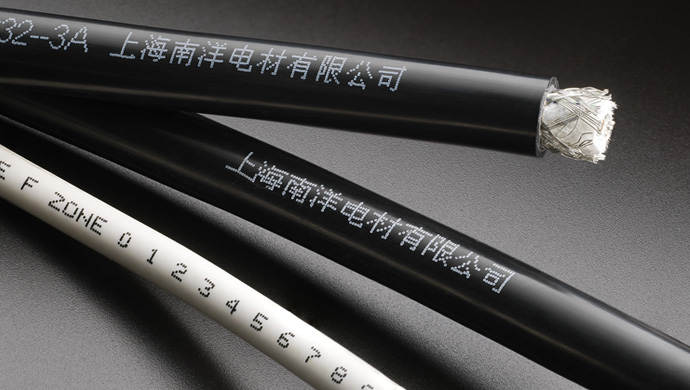
Choose an extrusion marking system around the material, required identification and conditions at the marking point. Wire, cable and pipe may need different solutions even when they run at similar speeds. LETO’s extrusion page includes continuous inkjet and laser options. Start with the actual surface, colour, diameter or profile, then specify the message and how often it must repeat. Include any heat, moisture, lubricant or dust present during production. These details help establish whether the proposed code will remain readable after the product leaves the line.
What information can be marked on extruded wire, cable and pipe?
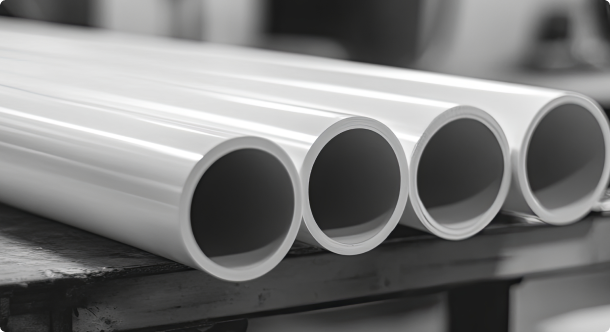
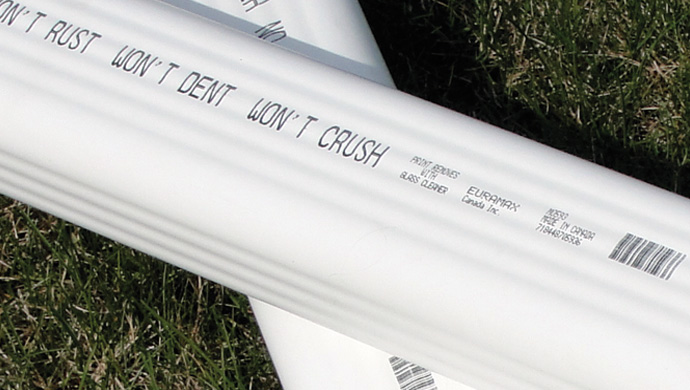
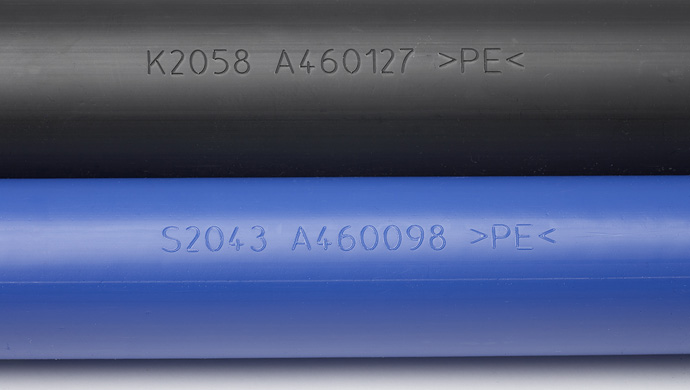
Extruded products can carry identification such as a manufacturer reference, product designation, batch or production information, subject to the selected marking system. Your specification should define exactly what the finished product needs to show. Separate fixed wording from changing data and identify any required repeat interval. If customer or product standards govern the marking, provide those requirements during equipment selection. A short wire legend and a longer pipe message need different layouts. Check the complete message on the actual product rather than approving isolated characters.
Should I use continuous inkjet or laser marking for extrusions?
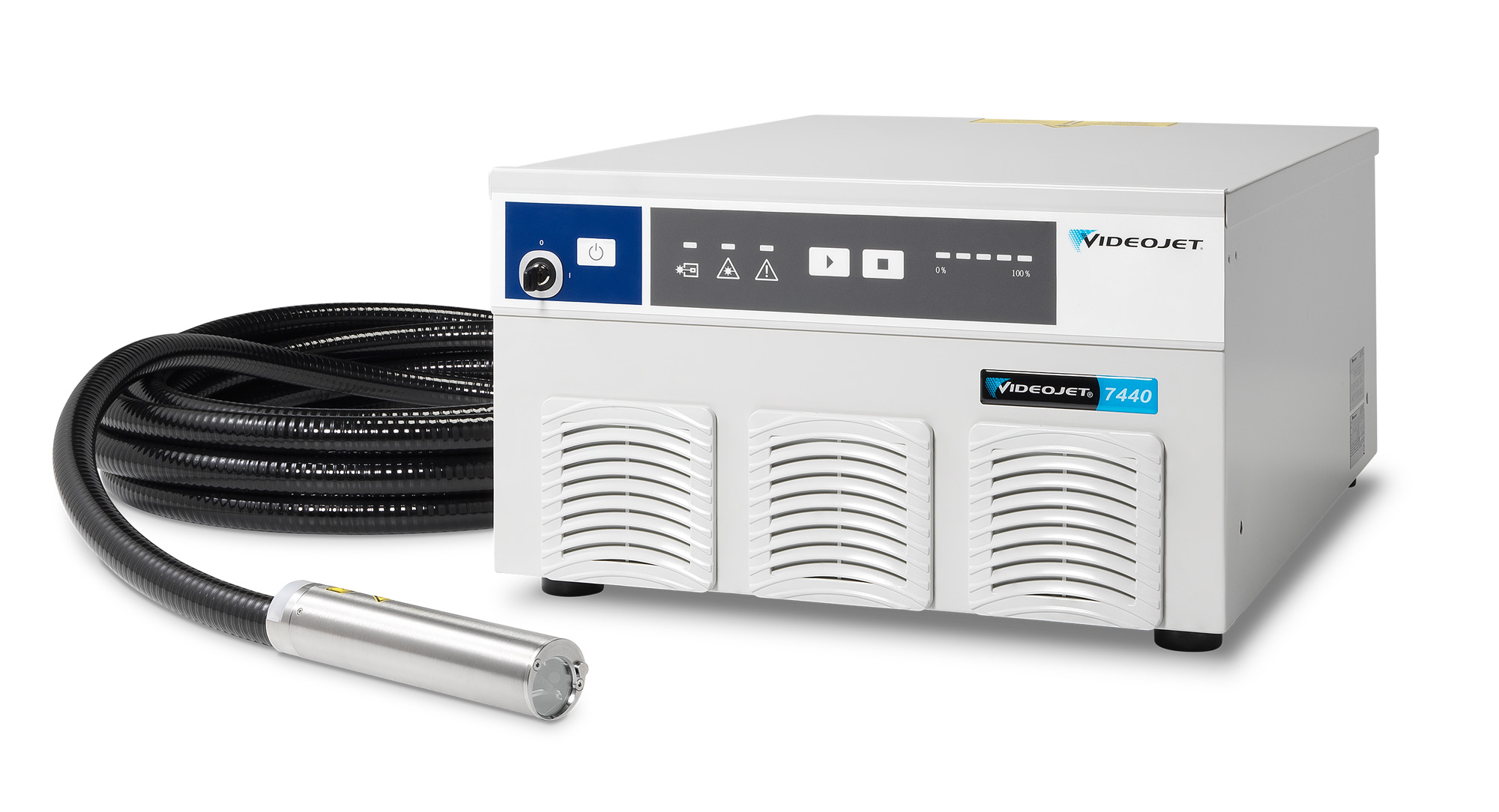
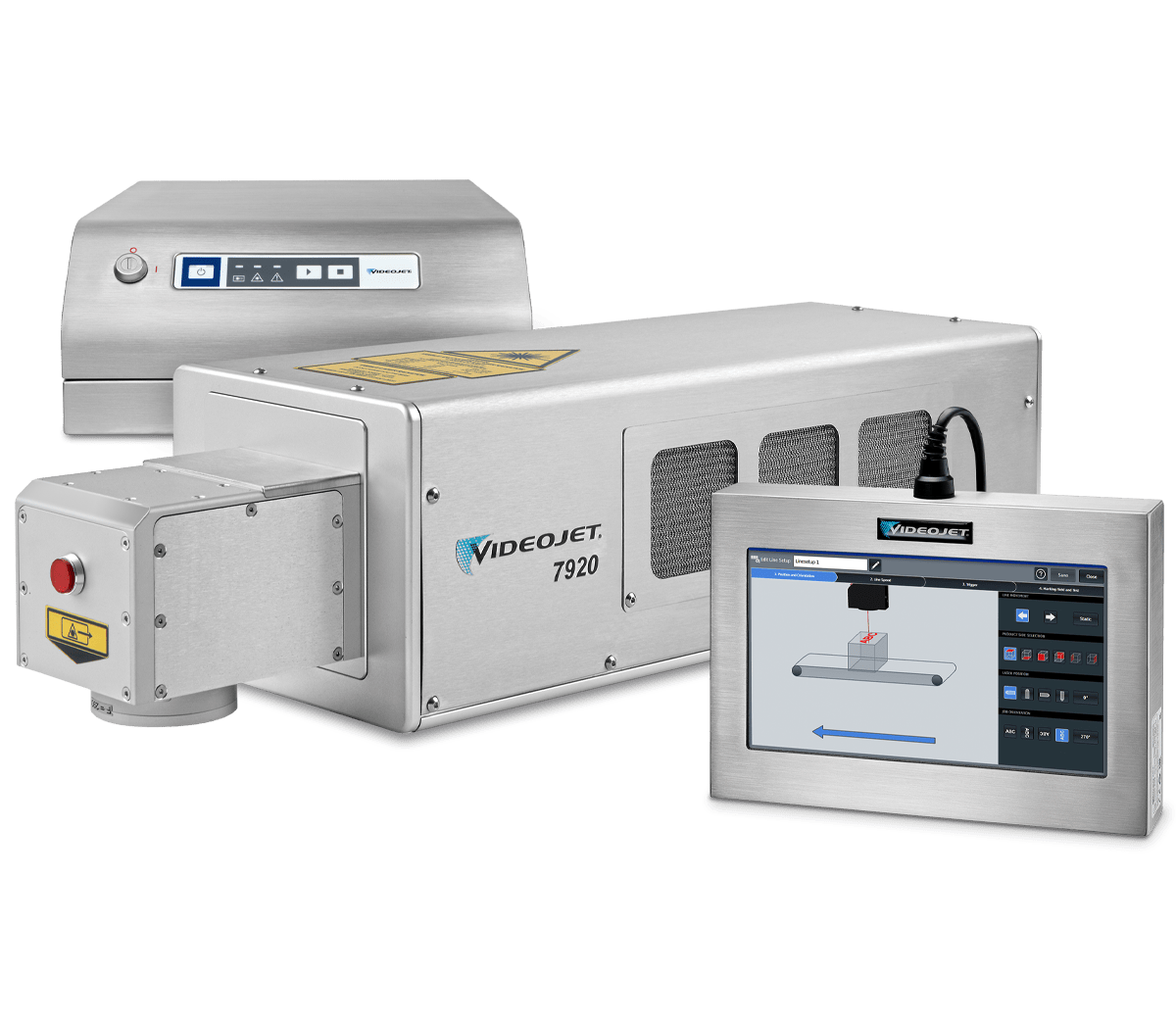
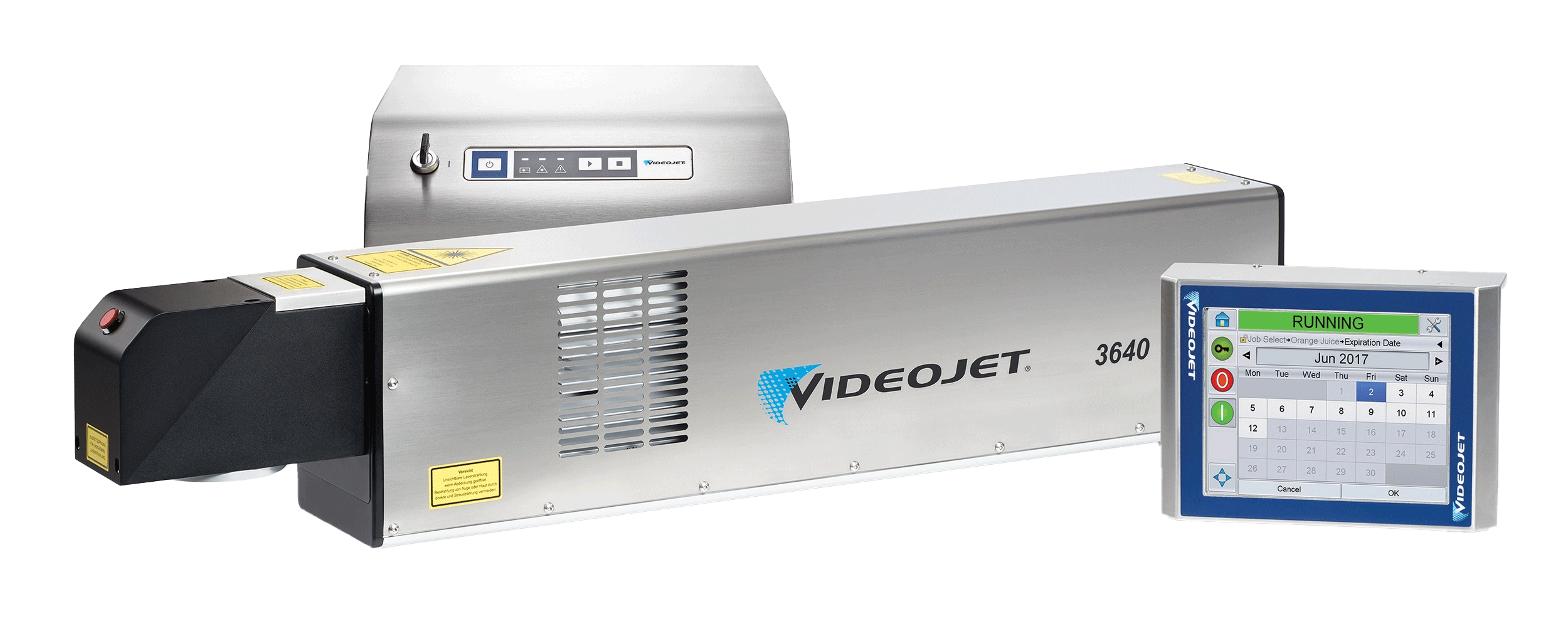
Continuous inkjet and laser marking offer different ways to identify extruded products. CIJ applies ink without contacting the surface; a suitable laser creates a mark through interaction with the material. Compare the resulting contrast and durability, then consider installation space, consumables and routine care. LETO lists both technologies for extrusion applications. Laser suitability depends on the material response, while CIJ depends on an appropriate ink and production setup. Review samples alongside the operating requirements so the decision covers both the finished mark and daily use.
How can we make codes readable on black cable or dark pipe?
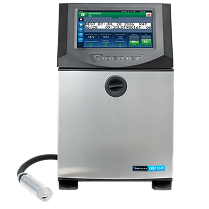
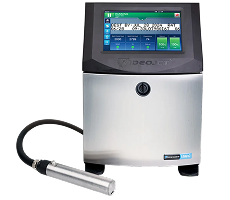
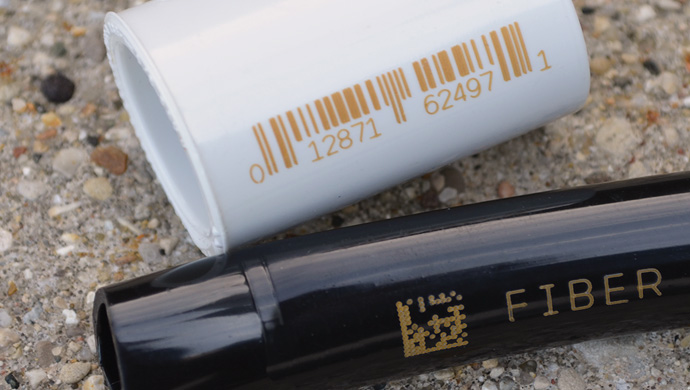
Readable codes on dark extrusions need sufficient contrast between the mark and the surrounding material. LETO lists the Videojet 1580 C as a high-contrast CIJ option using soft-pigmented inks. The exact ink still needs to suit the surface and downstream conditions. Provide examples of each product colour and compound, including any glossy finish. Assess character size and readability under the lighting used for inspection and installation. A contrast printer is a starting point for the discussion, rather than proof that every dark material will accept the same ink.
Can coding equipment keep up with a high-speed cable line?
Coding equipment can be specified for high-speed cable production, but suitability depends on the full message and application. LETO lists the Videojet 1880 UHS for ultra-high-speed work. Its published maximum single-line speed is 508 m/min at 10 characters per inch; additional lines have lower limits. That figure does not establish performance for every code or substrate. Supply your normal and peak speeds, character layout and repeat interval. Ask for the proposed configuration to be assessed against those details before accepting a production-speed commitment.
How do we maintain regular code spacing when extrusion speed changes?
Regular code spacing requires the marking system to be coordinated with actual product movement. During specification, explain whether the message repeats at a fixed distance or is triggered by another event. Include acceleration, slowing, stops and restarts, rather than only the steady running speed. The Videojet 1880 UHS lists an encoder input, but the measurement arrangement still needs to be scoped for the line. Distinguish ordinary repeat spacing from accurate length numbering, which has its own measurement requirements. Test the agreed behaviour across representative operating conditions.
Can inkjet marking work on hot or lubricated extrusions?
Inkjet marking on hot or lubricated extrusions requires an ink and setup selected for those conditions. LETO’s extrusion page identifies heat, lubricating oils and environmental contamination as important application factors. Record the surface temperature at the proposed marking point and identify any lubricant or residue present there. Also explain how soon the product touches guides, rollers or a winding system after printing. Discuss suitable formulations through LETO’s continuous inkjet inks range, and check drying and adhesion under representative conditions rather than relying on a clean, room-temperature sample alone.
Where should the printer or laser be positioned on an extrusion line?
Position an extrusion marking system where the product presents a stable surface and the required mark can be produced consistently. The best location depends on cooling, drying, guides, haul-off equipment and later cutting or winding. Show LETO the proposed area and explain any vibration, sideways movement or rotation. Leave access for inspection and routine servicing. For laser marking, include guarding and extraction in the installation assessment. Reviewing the line layout early helps avoid selecting equipment that produces a good sample but cannot be installed effectively in the available space.
How do we check that a mark will survive winding, handling and installation?
Check extrusion marks against the handling and service conditions the finished product will actually encounter. Start by defining what must remain readable and for how long. Depending on the product, useful checks may include rubbing, bending, contact with oils or cleaners, and exposure to relevant storage conditions. Use agreed procedures and acceptance criteria rather than an informal wipe test alone. Inspect samples after winding or cutting if those processes can affect the mark. Where a customer specification requires a particular durability test, include it in the assessment before approving the coding method.
Can one coding setup handle different extrusion sizes and materials?
A coding setup may handle several extrusion variants, but each meaningful change should be assessed. Differences in diameter, profile, compound, colour or surface finish can affect mark position and readability. List the full product range and identify which settings, inks or mounting positions would need changing. For laser systems, material response and focus requirements also need review. Establish a changeover check that confirms the correct message and the finished mark. LETO’s CLARiSUITE software can be discussed for compatible message-management requirements alongside the physical setup.
What samples and line details should we send LETO for an extrusion trial?
Send LETO representative extrusion samples, the material specification and the complete marking requirement when requesting a trial. Include difficult colours and surface conditions, not just the easiest product to mark. Provide dimensions, line rates, repeat intervals and any temperature or lubricant information at the intended marking point. Explain later winding, cutting, handling and durability requirements. Use the LETO Sample Lab to discuss suitable testing. A sample trial helps assess the material and mark; agree separately on how production-speed performance and line integration will be checked.
Who can help Australian manufacturers specify extrusion coding equipment?
LETO Technology offers coding and marking options for extrusion manufacturers in Australia, with its headquarters in Wacol, Brisbane. Its extrusion range includes CIJ and laser systems for assessment against the product and process. Bring your production, maintenance and quality requirements together before seeking a proposal. Include the extrusion range, line layout and acceptance criteria so the discussion covers equipment selection and practical operation. Explore LETO’s technical training or contact LETO on 1300 02 02 04 to discuss your wire, cable or pipe marking requirements.