
Thermal Ink Jet
Full line of thermal inkjet printers for high-resolution text, bar codes, and graphics
Thermal inkjet (TIJ) printing technology is an ideal fit for applications where high quality print is essential and ease of use is a primary consideration. With maintenance requirements consisting of a simple wipe of the cartridge print array and printhead, Videojet and Wolke brand thermal inkjet printers are designed for fast and simple ‘no-fuss’ cleaning.
From basic alphanumeric codes to complex bar codes and graphics, Videojet thermal inkjet printers help improve users’ productivity, quality, and efficiency targets with features like automatic cartridge setup, advanced data handling, and portable ink level tracking.
For fast industrial production lines, the Videojet 8520 thermal inkjet printer offers simple packaging line integration and scalable print height options.
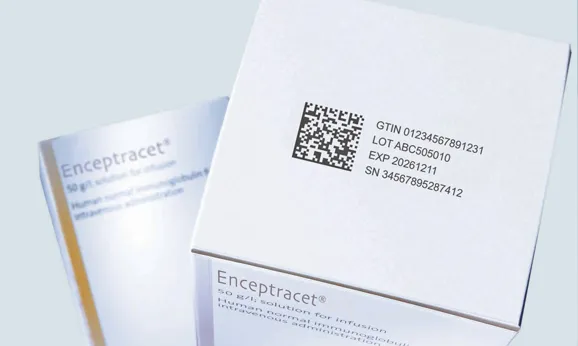
For pharmaceutical and medical device packaging, Wolke thermal inkjet printers provide high-resolution traceability codes and high read rate bar codes along with clean, no-mess operation and solid-state electronics.

Benefits of Thermal Inkjet Printers
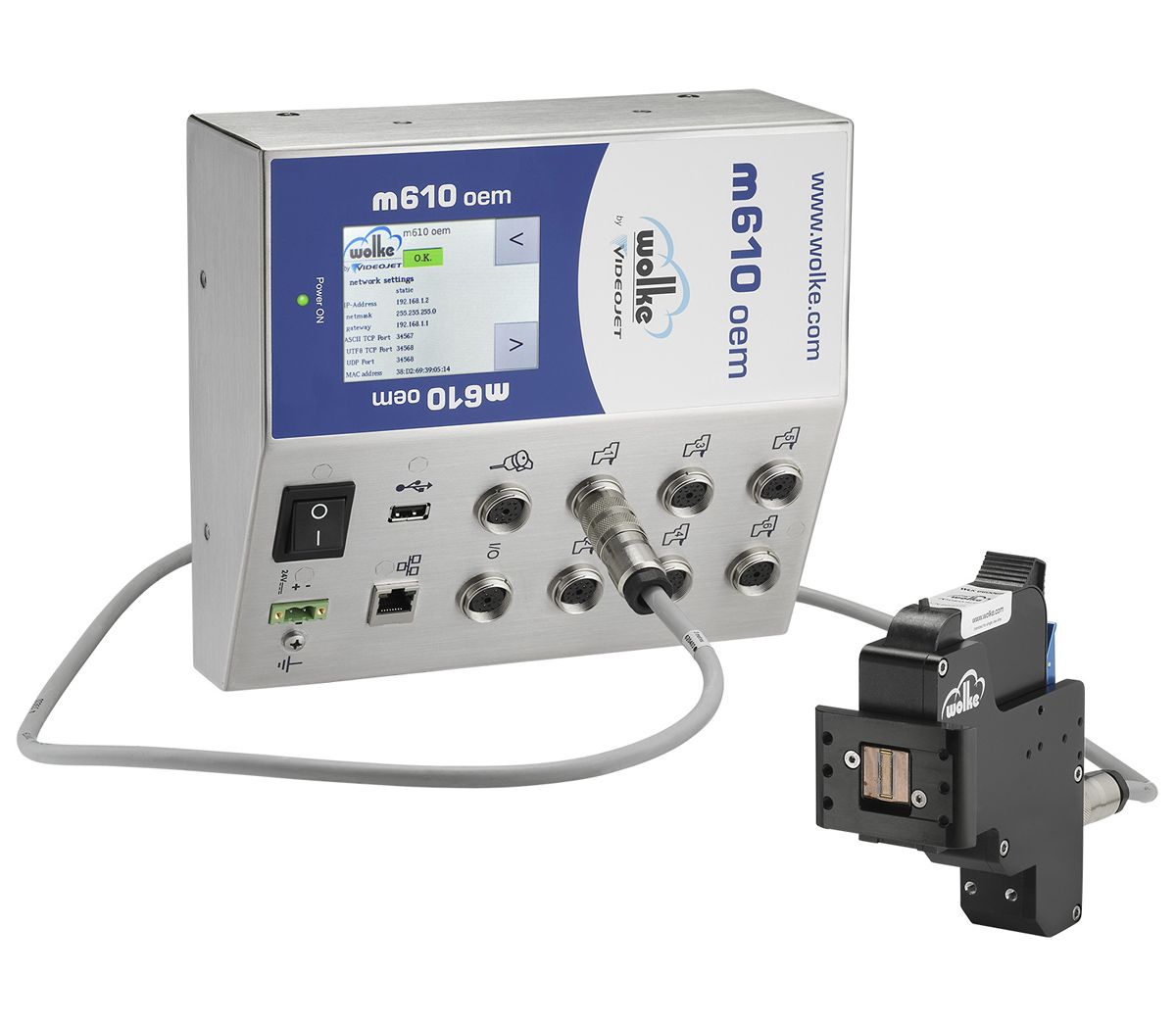
Wolke M610 OEM
Designed for OEMs to integrate into their systems, delivering the industry’s most powerful data handling and global track and trace capabilities.
Read More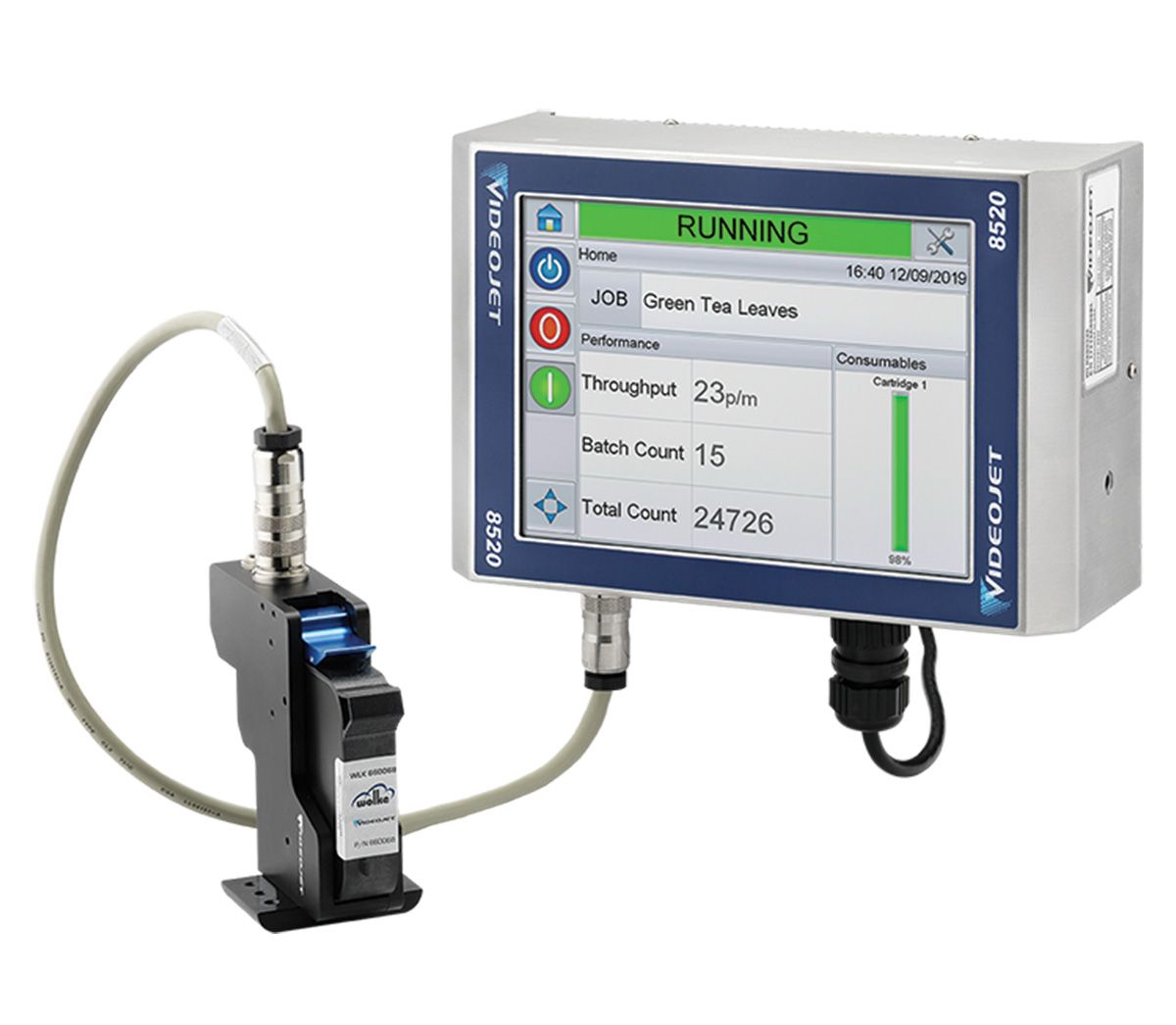
Videojet 8520
Most popular Videojet TIJ printer for high-resolution printing on primary and secondary packaging—with a great balance of speed and performance.
Read MoreApplications
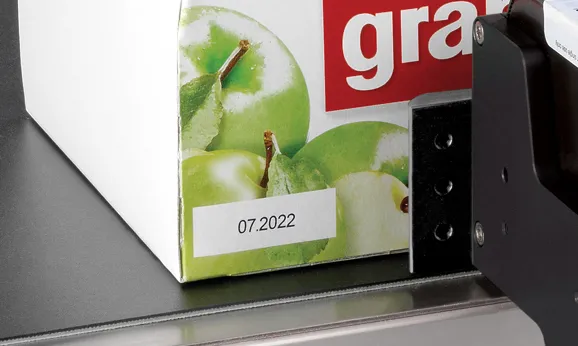
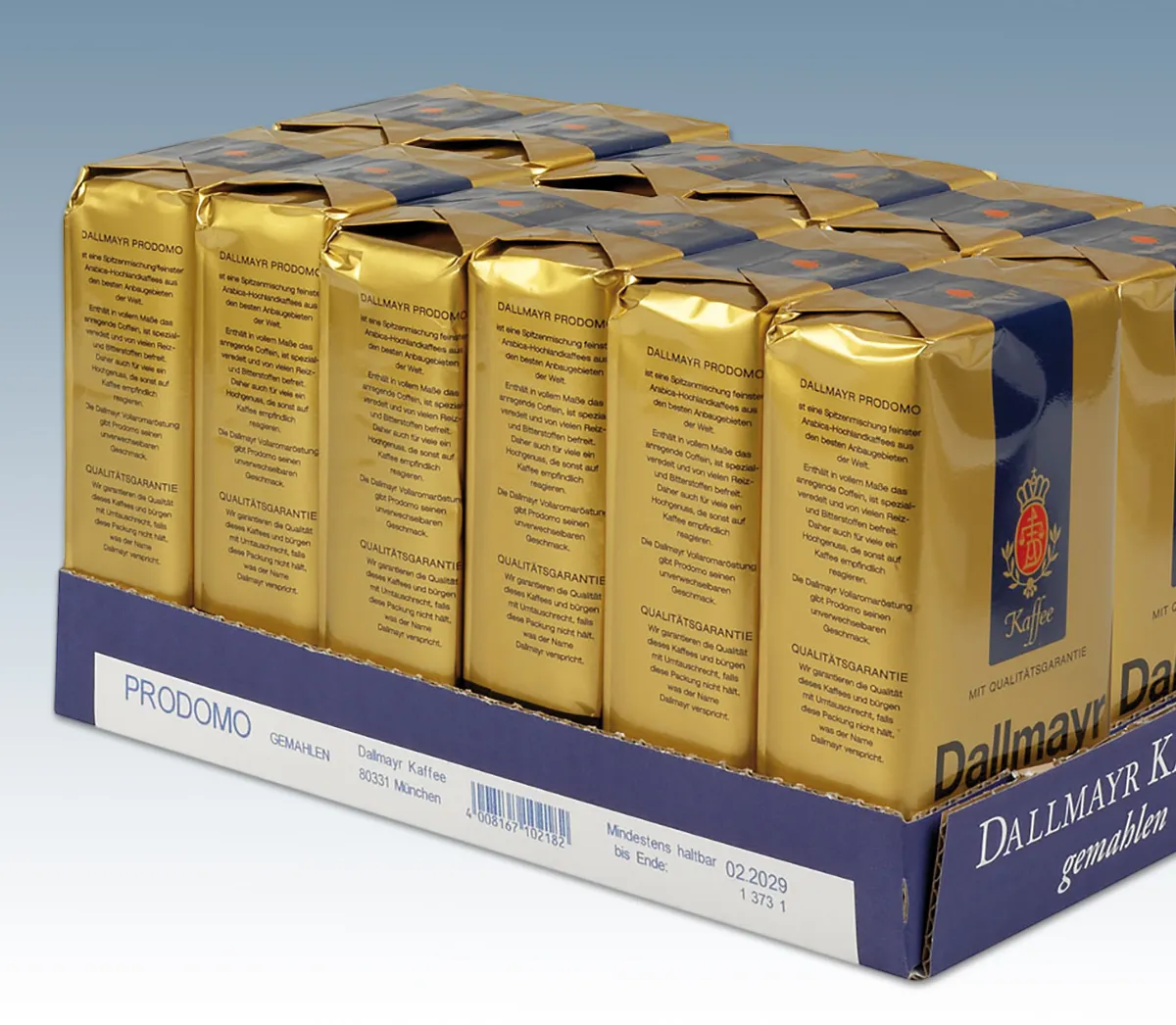
Versatile thermal inkjet printers are used across various industries for coding and marking applications. They excel at printing high-resolution barcodes, expiration dates, batch numbers, and promotional graphics directly onto packaging, labels, and products. Commonly employed in food and beverage, pharmaceuticals, cosmetics, and electronics, their ability to adapt to different substrates and enable quick changeovers make them ideal for dynamic production environments, streamlining operations and improving efficiency.
Thermal Inkjet Printers – Frequently Asked Questions
Reviewed by [Swara Aziz - Director], LETO Technology — September 2026
What is a thermal inkjet (TIJ) printer?
A thermal inkjet printer is a non-contact coder that heats ink inside a cartridge to fire tiny droplets onto a product or pack. It produces fine text, barcodes and graphics without a printhead pressing against the material. The printhead is part of the cartridge, so replacing an empty cartridge also gives the printer a fresh printhead. Videojet and Wolke thermal inkjet printers in LETO’s range use HP® technology. This type of coding is particularly useful where clear, detailed print is needed on cartons or paperboard, while a suitable ink can extend its use to other packaging materials.
What can a thermal inkjet printer print?
A thermal inkjet printer can print dates, batch and lot numbers, text, graphics, linear barcodes and 2D codes on packaging. The Videojet 8520 reaches up to 600 x 600 dpi and supports DataMatrix, QR, PDF417 and GS1 DataBar among its barcode formats. It can calculate best-before dates automatically, alongside flexible date, time and shift codes. Under FSANZ Food Standards Code Standard 1.2.5, packaged food generally needs a use by date for safety or a best before date for quality. [LETO TO CONFIRM: verified FSANZ date-marking URL before adding an external link.] Print quality still needs to be checked on the finished pack.
What packaging materials can a thermal inkjet printer print on?
Thermal inkjet printing generally performs best on porous packaging such as paperboard cartons and corrugate. Suitable solvent-based inks can extend it to non-porous materials including film, foil, labels and HDPE plastic, but the ink has to suit the surface and production conditions. LETO’s paperboard application page covers a common use, while its non-porous packaging application note addresses the more difficult materials. [LETO TO CONFIRM: typical Australian thermal inkjet application LETO supports, including industry and pack type.] Test the actual pack rather than assuming all plastics or coatings will print alike.
Should I choose the Videojet 8520 or the Wolke M610 OEM?
The Videojet 8520 suits production lines needing a stand-alone thermal inkjet controller, while the Wolke M610 OEM is built for integration by machine builders and for serialisation work. The main differences are:
- Videojet 8520: an 8.4-inch touchscreen, up to four printheads and codes up to 50.8mm high.
- Wolke M610 OEM: host-line HMI control, up to six connected printheads with any four running at once, and 20 unique records each second. Its line speed can reach 300m/min, depending on print resolution and application.
Both offer up to 600 x 600 dpi. Choose around print area, data handling and the way the coder connects to the packaging machine. [LETO TO CONFIRM: whether LETO integrates the M610 OEM with Australian machine builders or pharmaceutical packagers.]
How much does a thermal inkjet printer cost to buy and run?
A thermal inkjet printer’s purchase and running cost depends on the model, number of printheads, line integration and cartridge use, so LETO needs your application details to quote. Code size and resolution influence ink consumption; the Wolke M610 OEM can set different resolutions for text and barcodes to help manage ink use. On the Videojet 8520, the cartridge is the only stated replacement item, which also renews the printhead. Compare cartridge use over the expected production volume as well as the equipment cost. LETO offers equipment leasing and can prepare a quote when you send pack, code and line details through its contact page.
Should I choose thermal inkjet, CIJ, TTO, laser or case coding?
Thermal inkjet is a strong choice for detailed codes and barcodes on cartons, with simple cartridge replacement. Continuous inkjet is useful across varied materials and curved products; thermal transfer overprinting fits flexible film and labels; laser produces a permanent mark without ink. Large character inkjet is designed for bigger codes on shipping cartons. LETO supplies all of these coding technologies and can compare them against the same packaging and data requirements. The best fit depends on the surface, print area, required code detail and how the item passes the coder.
How easy is a thermal inkjet printer to use and maintain?
Thermal inkjet maintenance is relatively simple because the printhead is renewed whenever the cartridge is changed. On the Videojet 8520, cartridge replacement takes under a minute without specialised training, and routine care includes wiping the cartridge print array. Its common functions can be reached in five or fewer touches, while code selection rules can help limit operator mistakes. Staff still need a clear process for choosing the right job and checking the printed result. LETO offers technical training and service packages for teams that want help with operation and ongoing support.
Which thermal inkjet ink cartridges should I use?
Thermal inkjet cartridges should be selected for the packaging surface and the printer, with genuine Videojet or Wolke supplies used as specified. Genuine Videojet cartridges support automatic recognition and setup, ink batch and lot tracking, portable ink level tracking and enhanced print speeds on the 8520. Wolke also offers specialised inks for critical applications. Porous cartons and non-porous films may need different formulations, so trial the ink on the finished pack. LETO lists thermal inkjet inks and cartridges and safety data sheets. [LETO TO CONFIRM: whether genuine cartridges are stocked in Australia and how customers reorder them.]
Can thermal inkjet printers handle pharmaceutical serialisation and medical device UDI coding?
The Wolke M610 OEM is designed for pharmaceutical serialisation and track-and-trace integration, including high-volume unique data. It can process 20 unique records per second, including DataMatrix and GS1-128 codes, and holds serialised records in a large data buffer. Perpetuo Print Mode™ can extend a run or allow ink replenishment without stopping the line. UDI coding for medical devices has its own data and readability requirements; LETO provides a UDI technology application note and information on track and trace solutions. [LETO TO CONFIRM: whether LETO integrates the M610 OEM for Australian machine builders or pharmaceutical packagers.]
Can a thermal inkjet printer print 2D codes for GS1 Sunrise 2027?
Both LETO thermal inkjet models can print DataMatrix and QR codes at up to 600 x 600 dpi. GS1 Sunrise 2027 concerns the move towards 2D barcodes on retail products, where the printed code must scan reliably as well as contain the right data. Contrast, code size, packaging material and line conditions should be checked on the finished pack. LETO’s GS1 Sunrise 2027 guide discusses code quality, and the 8520 and M610 print sample guide shows examples. [LETO TO CONFIRM: verified GS1 Australia URL before adding an external link.]
Can LETO test my packaging before I buy a thermal inkjet printer?
LETO can arrange thermal inkjet print samples on your packaging to check whether the proposed printer and ink suit the job. A trial on the actual carton, label, film or plastic pack lets you assess contrast, adhesion, drying and barcode readability before equipment is selected. This matters especially when a non-porous surface calls for a solvent-based ink. LETO’s Sample Lab provides the route for discussing sample marking. [LETO TO CONFIRM: how TIJ samples are sent, the typical turnaround and whether marked samples are returned.] Include all relevant pack finishes and colours when requesting a test.
Who supplies and services Videojet and Wolke thermal inkjet printers in Queensland and across Australia?
LETO Technology Pty Ltd is an official Videojet distributor partner based at Unit 2, 1274 Boundary Road, Wacol, Brisbane, with service and support across Australia. LETO supplies Videojet and Wolke thermal inkjet equipment and offers operator training and preventive service options. [LETO TO CONFIRM: whether genuine cartridges are stocked in Australia and how reordering works.] [LETO TO CONFIRM: whether 24/7 customer support includes technical or on-site service.] [LETO TO CONFIRM: typical service response time in Brisbane and South East Queensland.] [LETO TO CONFIRM: number of thermal inkjet printers installed or serviced.] See customer care and Videojet warranties, or call LETO on 1300 02 02 04.